
Walk through the cleaning aisle of any supermarket, and you will see a staggering array of products designed to kill. Disinfectant sprays. Antimicrobial wipes. Mold killers. Odor eliminators. Many of these products contain pesticides, chemical compounds designed to poison living organisms. The assumption is that the only good microbe is a dead microbe. But the healthiest homes, the ones where family members actually feel well, operate on a completely different philosophy. They use probiotics, not pesticides, to manage their indoor air and surfaces. This is not a niche preference or an expensive luxury. It is a science-backed recognition that trying to sterilize your home is both impossible and counterproductive. Pesticides kill indiscriminately, leave toxic residues, and create a microbial vacuum that gets refilled by hardier, often more problematic species. Probiotics cultivate balance. They work with nature. And they leave your family breathing cleaner air without the chemical hangover.
The Pesticide Problem No One Talks About
Many common household disinfectants are classified as pesticides by the Environmental Protection Agency. They are designed to kill, and they do. But here is what the labels do not tell you. The same chemicals that kill bacteria and mold can also irritate your lungs, trigger asthma attacks, and disrupt your endocrine system. Quaternary ammonium compounds, found in many disinfectant wipes and sprays, have been linked to skin rashes and respiratory issues. Bleach fumes can cause coughing and wheezing, especially in children. Triclosan, once common in antibacterial soaps, was banned by the FDA in part because of concerns about hormonal effects. Even when used as directed, these products leave residues on surfaces. Your family touches those residues. Your children crawl through them. Your pets lick them. The assumption that a surface is safe because it is disinfected overlooks the simple fact that you have replaced one set of risks with another. The healthiest homes recognize this trade-off and reject it.
The Sterilization Myth and Why It Fails
Beyond the chemical risks, the entire premise of sterilizing your home is flawed. True sterilization is impossible outside of a laboratory autoclave. Within hours of wiping down a countertop with bleach, microbes from the air and from your skin begin recolonizing that surface. The first species to arrive are often the fastest-growing and most stress-tolerant ones, which are not necessarily the species you want dominating your indoor environment. You have effectively hit the reset button on your indoor microbiome, selecting for hardiness rather than harmlessness. Over time, repeated use of antimicrobial pesticides can also select for resistant strains, creating superbugs that even hospitals struggle to kill. This is not speculation. It is documented microbiology. The healthiest homes understand that you cannot win a war against the invisible world. The only sustainable path is peaceful coexistence, with the balance tipped in your favor through ecological management rather than chemical warfare.
How Probiotics Create Healthy Indoor Balance
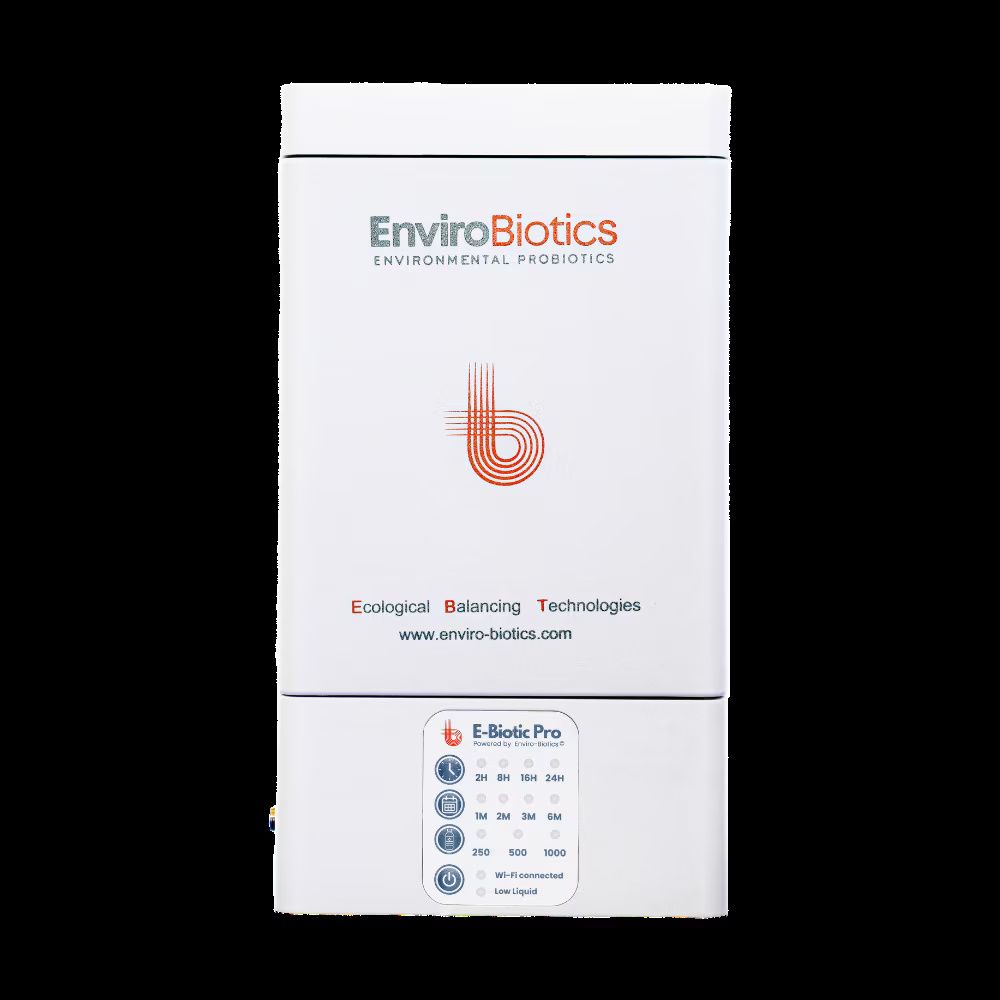
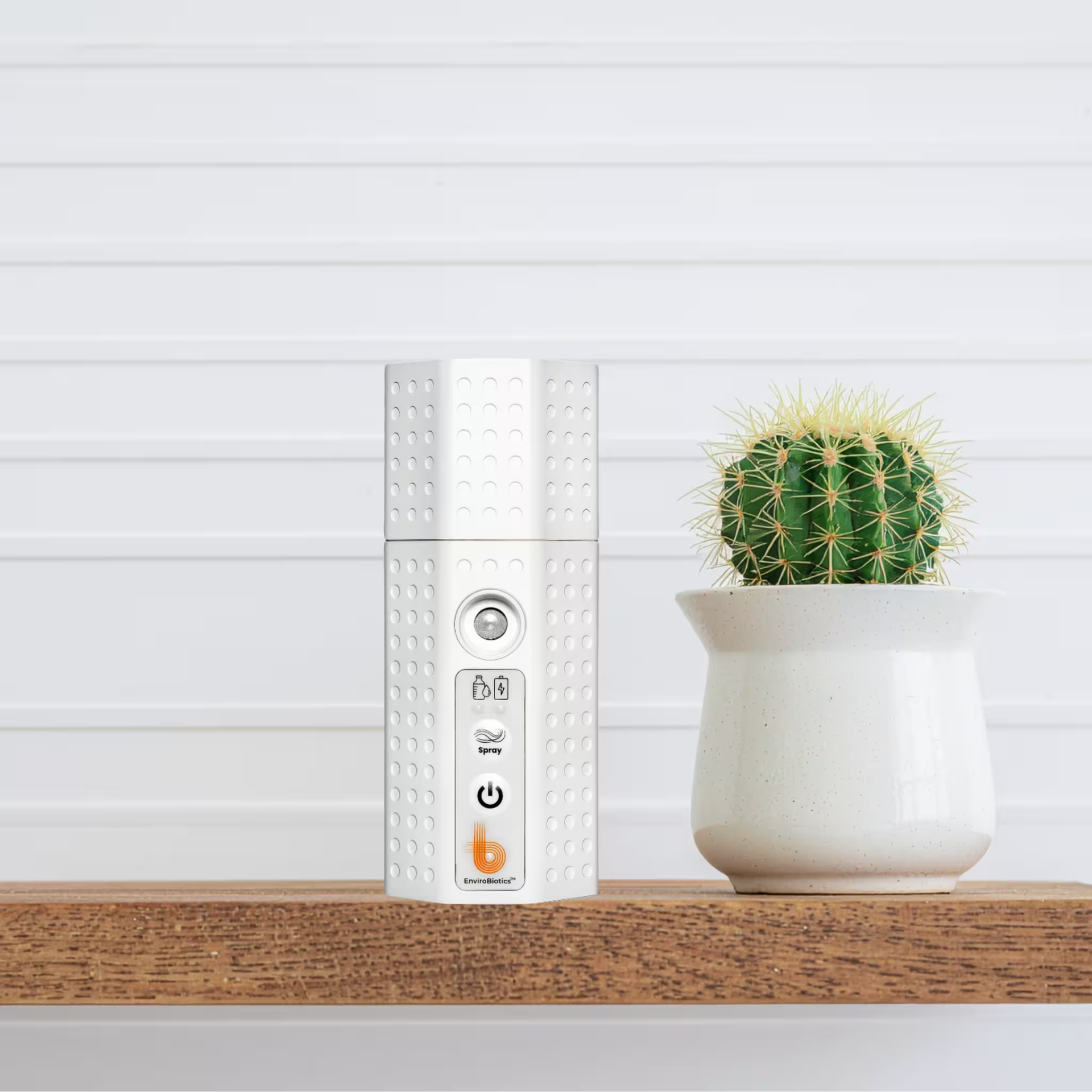
Probiotic air purification offers a third path that the pesticide industry would prefer you never learn about. EnviroBiotics systems release beneficial Bacillus bacteria into your indoor environment. These probiotics settle onto surfaces, germinate, and establish living colonies. They produce natural antimicrobial compounds that suppress mold and pathogenic bacteria. They consume the organic debris that dust mites and other allergens feed on. They break down the allergenic proteins in pet dander at the surface level. And they do all of this without any toxic residues, without any respiratory irritation, and without selecting for resistant strains. The goal is not to kill everything. The goal is to create an environment where beneficial microbes outcompete harmful ones. This is the same principle behind taking oral probiotics for gut health or using beneficial insects to control garden pests. You are not waging war on nature. You are working with it. The healthiest homes have made this shift. They are no longer trying to sterilize. They are managing their indoor ecosystem.
Clinical Evidence of Probiotic Effectiveness
The shift from pesticides to probiotics is not based on wishful thinking. It is supported by a growing body of clinical evidence. In a University of Arizona trial, homes using EnviroBiotics probiotic systems saw surface mold levels drop by over ninety percent within two weeks. Airborne mold spores decreased by ninety-seven percent. Musty odors, caused by microbial volatile organic compounds, faded to near-undetectable levels. Participants reported significant reductions in allergy symptoms and asthma flare-ups. The safety profile was excellent, with no respiratory irritation or other side effects, even in participants with known chemical sensitivities. These results are comparable to or better than what is typically achieved with chemical disinfectants and HEPA filters combined, but without the toxic trade-offs. The probiotics were not just killing microbes. They were changing the ecology of the home, creating a lasting shift that did not require constant reapplication of harsh chemicals.
Transitioning Your Home from Pesticides to Probiotics
Moving away from pesticide-based cleaning and air purification does not happen overnight, and it does not require throwing away every product under your sink. Start by reserving harsh chemical disinfectants for specific situations, such as when someone in the home is actually sick or when you have handled raw meat. For routine cleaning, switch to soap and water or plant-based products like white vinegar and baking soda. Then introduce a probiotic air purifier to actively manage your indoor microbiome. EnviroBiotics offers units for spaces ranging from small rooms to whole homes. Run the probiotic system continuously. It uses very little electricity and requires only occasional cartridge changes. Within a few weeks, you should notice that your home stays fresher between cleanings, that musty smells fade, and that you are reaching for chemical sprays less and less often. The healthiest homes are not the ones that smell like bleach or artificial fragrances. They are the ones where the air is fresh, the surfaces are clean, and the family breathes easy without wondering what toxic residue they are inhaling. That is the promise of probiotics over pesticides, and it is a promise worth keeping.