
In the realm of contemporary home decor, the focus has shifted from merely filling a room with furniture to crafting spaces that possess depth, character, and architectural interest. One of the most effective ways to achieve this layered look is through the strategic use of decorative wall molding. Often perceived as a feature reserved for period properties or grand, traditional homes, molding has been reimagined by modern designers to suit the clean lines and minimalist sensibilities of today's interiors. It offers a unique opportunity to introduce texture and pattern onto flat walls, creating a dynamic backdrop that elevates the entire aesthetic of a room. Whether you are aiming for a subtle nod to classic design or a bold, contemporary statement, exploring different wall molding ideas can unlock a new level of sophistication in your living space.
The Return of Texture and Dimension in Modern Homes
Modern interior design has long been associated with sleek surfaces, open floor plans, and a neutral color palette. While these elements create a sense of calm and spaciousness, they can sometimes result in an environment that feels a little flat or lacking in personality. This is where decorative molding makes its powerful comeback. By adding three-dimensional elements to the walls, homeowners can break the monotony of large, uninterrupted surfaces. This isn't about reverting to the overly ornate styles of the past, but rather about using clean-lined profiles to create geometric patterns and defined zones. The subtle shadows cast by the molding throughout the day add a dynamic quality to the room, making the architecture itself a part of the decor. It is a design choice that adds warmth and a handcrafted feel, proving that modern spaces can be both minimal and deeply textured.
Classic Panel Molding for a Timeless Foundation
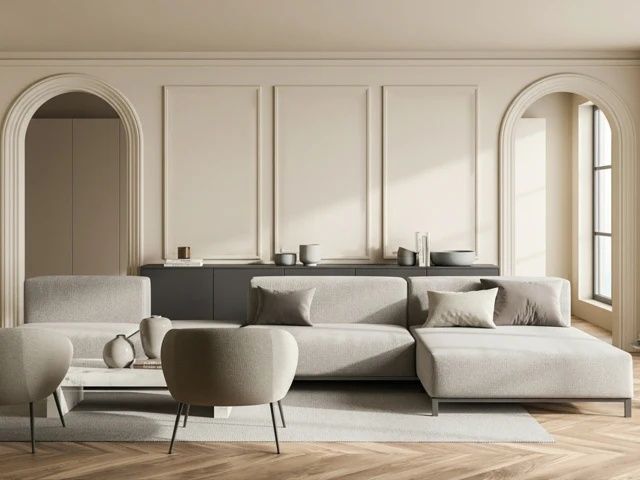
For those looking to introduce elegance without overwhelming a space, classic panel molding is the perfect starting point. This technique involves creating rectangular or square "frames" on the wall, often referred to as "wainscoting" when it covers the lower portion of a wall, or simply as "picture frame molding" when applied to the full height. In a modern context, the interpretation is often simpler and more graphic. Imagine a living room wall divided into large, symmetrical panels, each framed by a slim, unadorned molding profile. Painted in the same color as the wall, this creates a subtle, textural effect that adds refinement without shouting for attention. Alternatively, for a bolder look, the panels can be painted in a slightly deeper shade of the same color, creating a monochromatic but visually rich surface that provides a structured and calming foundation for any modern room.
Geometric Patterns: Adding a Contemporary Edge
If you want to push the boundaries of traditional decor, geometric wall molding is the way to introduce a sharp, contemporary edge to your home. This approach abandons the classic rectangle in favor of more dynamic shapes like hexagons, diamonds, or interlocking squares. The result is a feature wall that acts as a piece of art in itself. This style works exceptionally well in spaces where you want to create energy and visual interest, such as an entryway, a home bar, or behind a bed in a modern bedroom. The key to making geometric molding feel sophisticated rather than chaotic lies in precision and restraint. Opting for a simple color palette, such as stark white molding against a deep charcoal wall, allows the graphic shapes to take center stage. The interplay of light and shadow across the multifaceted surfaces adds a sculptural quality to the room, ensuring the design feels intentional and undeniably modern.
Vertical Lines: The Illusion of Height
Architectural details can be powerful tools for manipulating our perception of a space, and vertical molding lines are a prime example. In rooms with standard ceiling heights, or in spaces that feel a bit cramped, installing tall, vertical strips of molding can create a striking illusion of height and grandeur. This can be achieved through "board and batten" style, where wide vertical boards are placed with narrower strips (battens) covering the seams, or simply by running thin, parallel molding profiles from the floor all the way up to the ceiling. This vertical rhythm draws the eye upward, emphasizing the full height of the room and making the ceilings feel loftier. It is a technique that adds a sense of order and architectural integrity, transforming a simple wall into a feature that feels both structural and decorative. When painted in a light, reflective color, the effect of height and airiness is amplified even further.
Creating Focal Points with Accent Walls
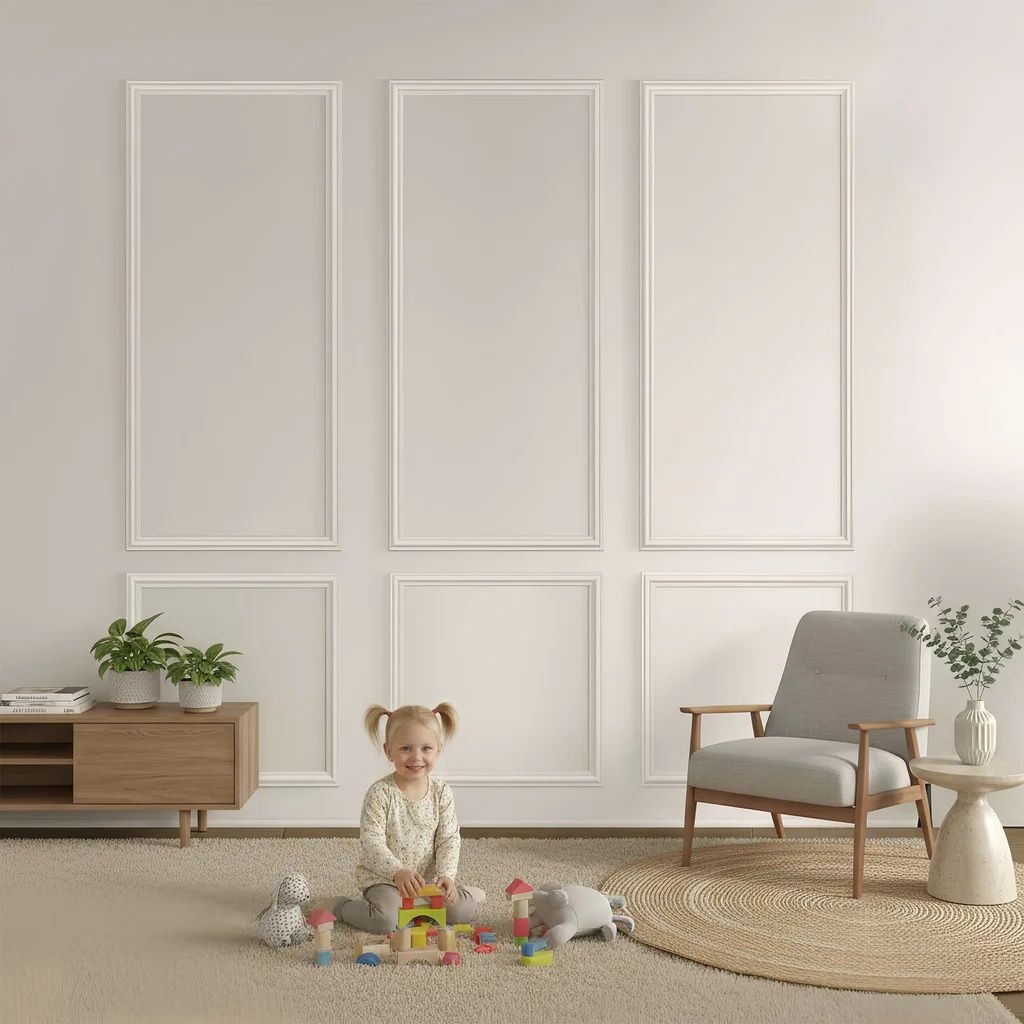
While molding can certainly be applied throughout an entire room to create a cohesive envelope of style, its impact is perhaps most potent when used to create a single, stunning accent wall. This strategy allows you to concentrate your design efforts and budget on one key area, transforming it into the undeniable focal point of the space. Consider a wall behind a sofa in a living room, clad with a luxurious full-wall grid of squares or rectangles. In a dining room, the wall behind a sideboard or buffet can be adorned with elegant panel molding to create a sophisticated backdrop for art and mirrors. For a bedroom, the wall behind the headboard is the ideal candidate, where a large central panel can be created to frame the bed, instantly giving it a custom, built-in look. By limiting the molding to just one wall, you create a powerful statement that draws the eye and anchors the entire room's design.
Color and Contrast: Making Your Molding Pop
The final element that truly defines the style and mood of a wall molding project is the color strategy. The relationship between the color of the molding and the color of the wall can drastically alter the visual outcome. For a look that is subtle, serene, and textural, painting the molding the exact same color and sheen as the wall is a popular choice. This creates an elegant, tone-on-tone effect where the pattern is felt more than it is seen. On the other end of the spectrum, a high-contrast approach makes a bold and graphic statement. Think of crisp white molding against a wall painted in a deep navy, a rich forest green, or a dramatic black. This classic combination highlights the architectural lines, making the pattern pop and adding a layer of undeniable sophistication and drama to a modern interior, ensuring your decorative molding becomes the star of the show.