
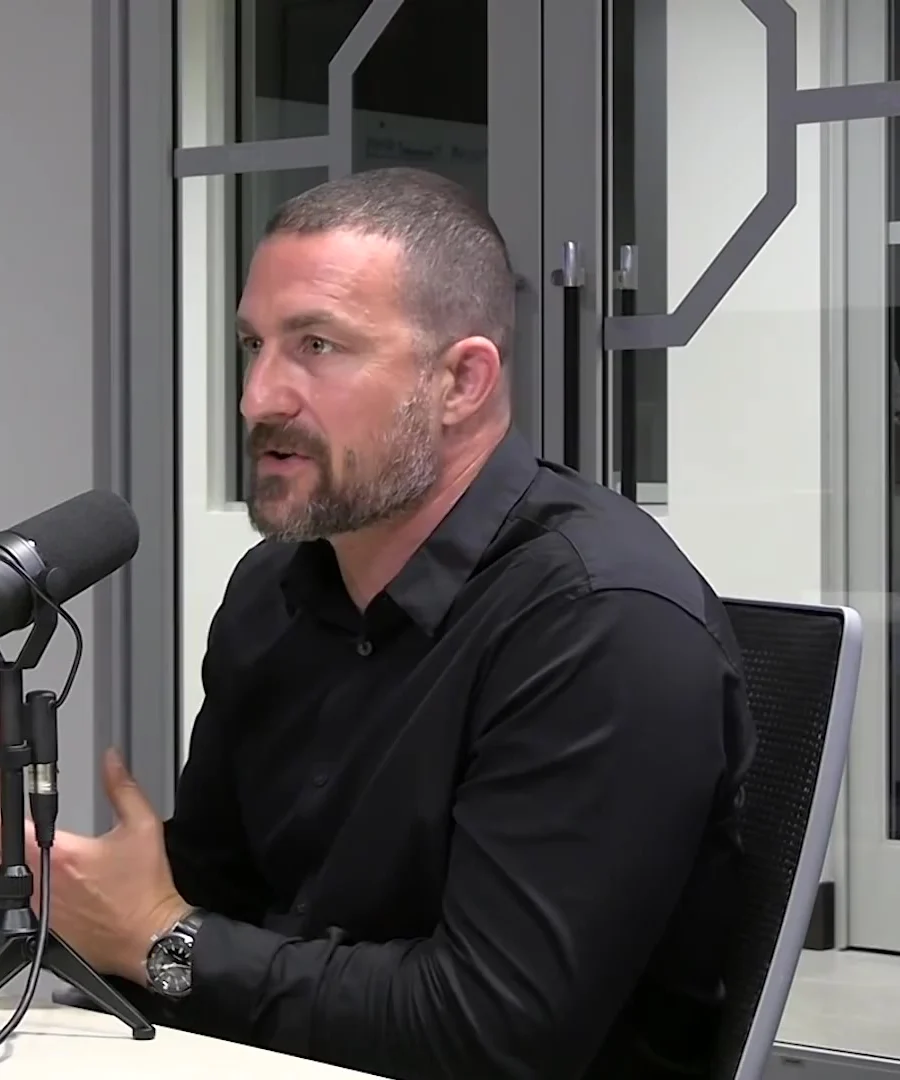
If you are reading this on a screen right now, you are already part of a massive experiment that our ancestors never signed up for—one where our eyes spend the majority of waking hours staring at devices that emit artificial light just inches from our faces. Dr. Andrew Huberman, a professor of neurobiology at Stanford School of Medicine, has dedicated multiple episodes of his podcast to understanding how modern screen habits are affecting our vision and, more importantly, what we can actually do about it. What I find so refreshing about Huberman’s approach is that he does not simply tell you to put your phone down and go live in a cabin. He understands that digital devices are woven into how we work, connect, and navigate the world. Instead, he offers practical, science-backed protocols that help protect your eyes without demanding you abandon modern life.
How the Eyes Respond to Artificial Light
To understand how to protect your eyes, Huberman explains that you first need to understand how they evolved to interact with light. Your eyes contain specialized cells called intrinsically photosensitive retinal ganglion cells, and these cells do something remarkable—they track ambient light levels and send signals to your brain that set your internal clock. Sunlight contains a rich spectrum of wavelengths, with high levels of blue light during the morning and early afternoon that signal wakefulness and alertness. Artificial light, particularly from screens, contains a disproportionate amount of blue light but lacks the full spectrum that sunlight provides. When your eyes receive this imbalanced light at the wrong times of day, it confuses your circadian system and places chronic strain on the ocular muscles. Huberman emphasizes that this is not about demonizing blue light but about understanding timing and intensity.

The Blink Rate Problem You Never Noticed
One of the most surprising insights Huberman shares involves something so simple that most of us never give it a second thought: blinking. When you are focused on a screen, your blink rate drops dramatically—from about fifteen to twenty blinks per minute down to five to seven blinks per minute. Blinking is essential because each blink spreads a thin layer of tears across the surface of your eye, providing moisture, oxygen, and nutrients while flushing away debris. When you blink less, your eyes become dry, irritated, and more susceptible to strain. Huberman points out that this is not just about comfort; chronic dry eye and reduced tear film quality can actually degrade the surface of the cornea over time. He suggests a simple but surprisingly effective practice: periodically reminding yourself to perform a few intentional, complete blinks, especially during long stretches of screen time.
Viewing Distance and Eye Muscle Strain
Another factor Huberman explores is how viewing distance affects the muscles that control your lens and eye position. When you look at something up close—whether it is a phone, a laptop, or a book—the muscles inside your eyes contract to change the shape of your lens, a process called accommodation. Meanwhile, muscles on the outside of your eyes converge to keep both eyes focused on the same near object. Over hours and hours of close-up work, these muscles become fatigued and can eventually struggle to relax when you look into the distance. This is why many people experience blurry vision after long screen sessions or notice that it takes a moment for their eyes to adjust when they look away. Huberman recommends following what he calls the twenty-twenty-twenty rule: every twenty minutes, look at something twenty feet away for at least twenty seconds. This gives those strained muscles a chance to release and recover.
The Role of Sunlight Exposure
When Huberman talks about protecting eyesight, he does not just talk about avoiding screens—he talks about getting enough natural light, particularly in the morning. He explains that viewing sunlight within thirty to sixty minutes of waking has a profound effect on the health and function of your eyes. Morning sunlight triggers the release of dopamine in the retina, a neurotransmitter that helps regulate the growth of the eye and has been shown to reduce the risk of myopia progression, especially in children. Beyond that, getting natural light early in the day helps anchor your circadian rhythm, which in turn improves sleep quality. And better sleep, Huberman notes, gives your eyes the recovery time they need to repair and maintain themselves. This is one of those counterintuitive insights—spending time outside in bright light is actually one of the best things you can do to protect your eyes from the strain of indoor screens.
Managing Screen Time Without Guilt
Huberman takes a pragmatic stance on screen use, recognizing that most people cannot simply eliminate digital devices from their lives. Instead, he offers strategies for reducing harm while maintaining functionality. One of his key recommendations involves adjusting screen brightness and color temperature throughout the day. During daylight hours, brighter screens with more blue light are actually less disruptive because they more closely mimic the outdoor environment. As evening approaches, dimming your screens and shifting to warmer color temperatures signals to your visual system that the day is winding down. He also suggests positioning screens at arm’s length rather than holding them close to your face, and ensuring that the center of your screen sits slightly below eye level so your eyelids naturally cover more of the ocular surface, reducing dryness and exposure to direct light.
Practical Tools for Long-Term Eye Health
Beyond the daily habits, Huberman discusses several tools and practices that support long-term vision health. He highlights the importance of regular eye exams, particularly for people who spend significant time on screens, because subtle changes in vision often go unnoticed until they become problematic. He also addresses nutrition, noting that nutrients like lutein and zeaxanthin—found in leafy greens and colorful vegetables—accumulate in the macula of the eye and help filter damaging light. Omega-3 fatty acids support tear production and reduce inflammation in the ocular surface. For those already experiencing significant eye strain, Huberman mentions that certain types of low-magnitude reading glasses or carefully prescribed computer glasses can reduce the accommodative demand of near work. The overarching message is that protecting your eyesight does not require abandoning your digital life—it requires being intentional about how you interact with light, distance, and time throughout your day.