
Clean energy is only as useful as your ability to store it. You can have the most efficient solar panels on the block or a sleek wind turbine spinning in your backyard, but without a smart storage system, you’re still buying power from the grid when the sun dips or the wind dies. Smart stackable battery solutions combine the modular flexibility of stackable designs with intelligent software, remote monitoring, and automated energy management. These aren’t just dumb boxes that charge and discharge – they learn your habits, predict your needs, and optimize every electron for maximum clean energy usage. Imagine a battery that knows when a storm is coming and reserves extra capacity, or one that automatically sells power back to the grid at peak prices and buys it back when rates drop. That’s the promise of smart stackable batteries. For homeowners serious about reducing their carbon footprint and gaining true energy independence, these systems represent the perfect marriage of hardware intelligence and clean power.
The Intelligence Behind Smart Stackable Batteries
So what exactly makes a battery “smart” beyond the basic battery management system found on every modern pack? Smart stackable batteries feature embedded processors and wireless connectivity that turn them into active energy managers. Each module in the stack communicates not only with its neighbors but also with your home’s inverter, your utility meter, and even weather forecasting services. The system learns your household’s typical energy consumption patterns – when you wake up, when you cook dinner, when the air conditioner runs – and adjusts charging and discharging schedules to match. If your utility uses time-of-use pricing, a smart battery automatically charges during low-rate periods (like late at night) and discharges during peak-rate hours, saving you money without any manual programming. Some advanced systems use machine learning algorithms that improve over time, becoming more accurate at predicting your needs after just a few weeks of operation. You can monitor everything from a smartphone app that shows real-time power flow, state of charge, and estimated backup runtime. And if something goes wrong, the system can diagnose itself and send error reports directly to support technicians. This isn’t science fiction – it’s what smart stackable batteries do today.
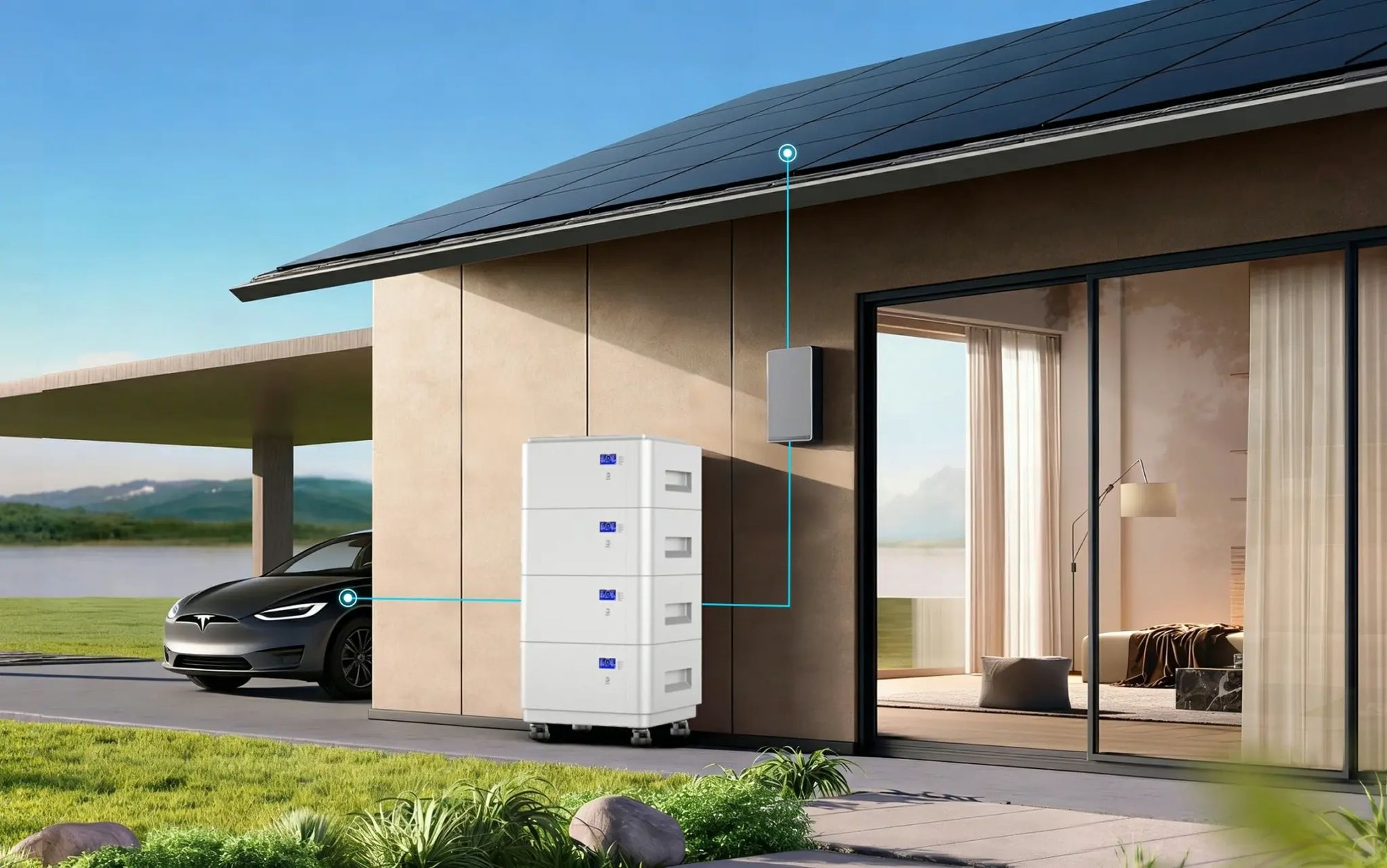
How Stackable Design Enhances Smart Functionality
The stackable form factor isn’t just about physical convenience – it actually enables smarter operation. Here’s why: a smart system can treat each module in the stack as an individual asset with its own performance characteristics. Over time, the battery management system builds a health profile for every module, noting which ones run warmer, which ones have slightly lower capacity, and which ones charge faster. Using this data, the system can dynamically allocate loads to favor the healthiest modules, extending the overall life of the stack. If one module starts to degrade, the smart system can reduce its workload while informing you that it’s time to consider a replacement. Some high-end systems even offer predictive maintenance alerts, telling you weeks or months in advance when a module is likely to need service. Additionally, stackable design allows for incremental smart upgrades. You might start with a single smart module that handles basic time-of-use shifting, then add a second module that enables participation in virtual power plant programs, and a third that adds support for electric vehicle charging optimization. Each new module brings its own processing power to the stack, so the collective intelligence grows along with your storage capacity.
Integration with Home Energy Management Systems
A smart stackable battery doesn’t exist in isolation – it works best as part of a whole-home energy ecosystem. Modern systems integrate seamlessly with home energy management platforms like Span, Lumin, or even DIY solutions using Home Assistant. This integration allows your battery to coordinate with smart appliances, electric vehicle chargers, and solar inverters. For example, your battery might decide to delay charging your EV until the solar panels are producing excess power, rather than pulling from the grid. Or it might temporarily reduce discharge rate when it detects that your smart thermostat has turned off the air conditioner, saving capacity for later. Some smart stackable batteries also integrate with weather APIs. If the forecast predicts three cloudy days in a row, your system will prioritize filling the battery to 100% during the next sunny window rather than exporting surplus solar to the grid. You can also set up automation rules without writing a single line of code – “if battery state of charge drops below 30% and it’s after 4 PM, send me a notification” or “if grid power fails, disconnect non-essential circuits and prioritize refrigerator and sump pump.” For clean energy storage needs, this level of integration transforms a passive battery into an active participant in your home’s daily rhythm.
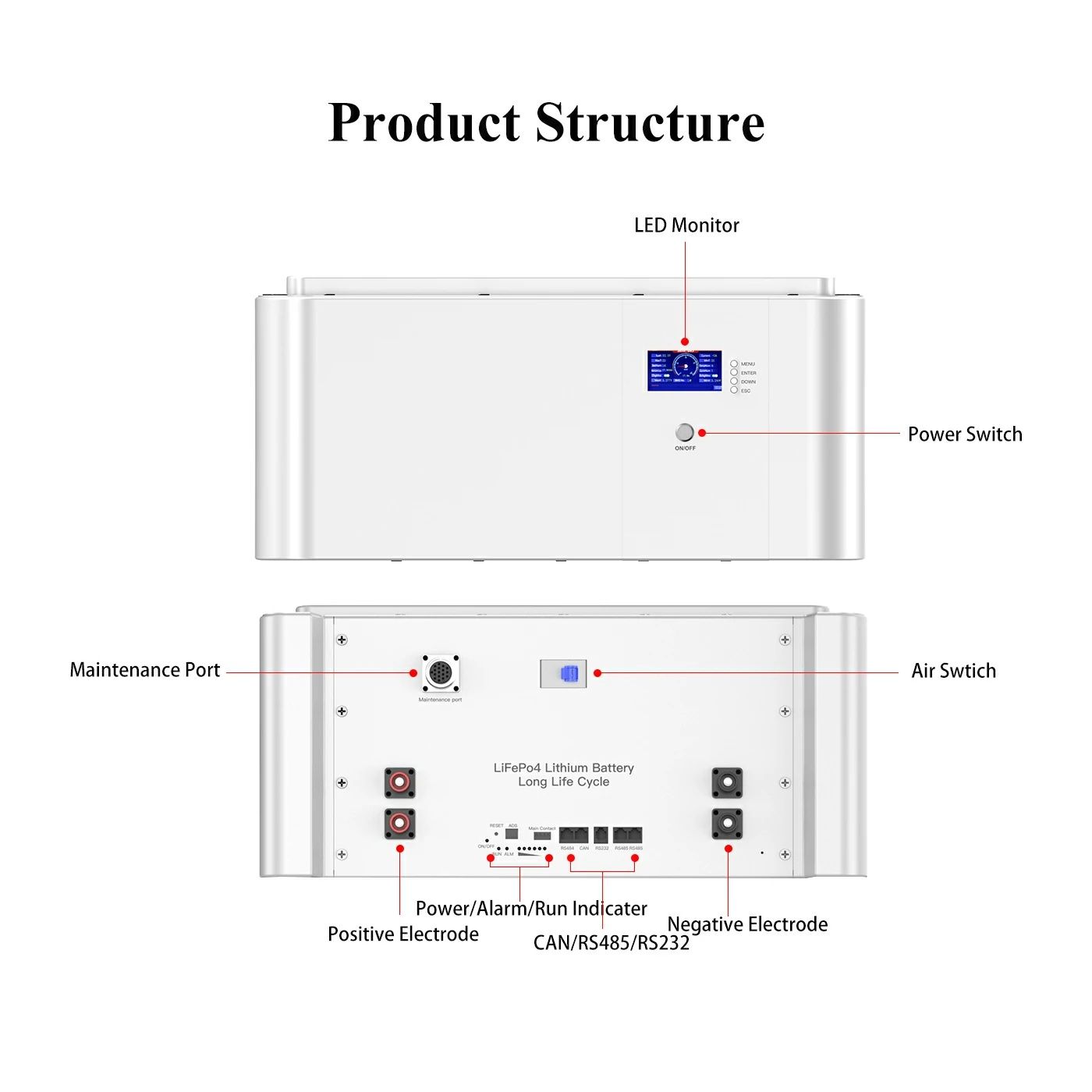
Remote Monitoring, Control, and Peace of Mind
One of the greatest benefits of smart stackable batteries is the peace of mind that comes from knowing exactly what’s happening with your energy storage, whether you’re at home or on vacation. The accompanying smartphone app typically shows a live dashboard with your battery’s state of charge, current power flow (charging or discharging), estimated runtime at current load, and historical energy data. You can change settings remotely – maybe you see that a winter storm is approaching and want to increase your backup reserve from 20% to 50%. Or you notice that your battery discharged more than usual overnight and want to check if a device was left on. Many apps also send push notifications for important events: “Battery fully charged from solar,” “Grid outage detected, now running on backup,” or “Module 3 temperature above normal, please inspect.” For homeowners with second homes or rental properties, remote monitoring is invaluable. You can check that your battery is maintaining proper state of charge even when no one is there. Some systems even allow remote firmware updates, so your battery gains new features and improved algorithms without a service visit. This constant awareness transforms clean energy storage from a “set it and forget it” appliance into something you genuinely enjoy interacting with.
Realizing the Full Potential of Clean Energy
At the end of the day, smart stackable battery solutions exist to help you use more clean energy and less fossil-fuel-generated electricity. Without smart storage, many solar homeowners find themselves exporting excess power to the grid during the day and importing dirty power at night – effectively using the grid as a very inefficient battery. Smart stackable batteries flip that dynamic. They capture your clean energy when it’s abundant and release it precisely when you need it, maximizing self-consumption. Over a typical year, a well-configured smart stackable system can increase your solar self-consumption from 30% to 80% or more. That means you’re buying far less electricity from the utility, and what you do buy is often during the cleanest, lowest-carbon hours. For those who participate in virtual power plant programs, your smart battery can even help stabilize the local grid during peak demand, reducing the need for utility companies to fire up dirty peaker plants. Every kilowatt-hour stored in your smart stackable battery and used later is a kilowatt-hour that didn’t have to be generated by natural gas or coal. When enough homes adopt these systems, the collective impact on carbon emissions is enormous. Smart stackable batteries don’t just store electricity – they store hope for a cleaner, more resilient energy future.