
Potassium Hydroxide for Industrial Procurement
Potassium hydroxide represents one of the most important strong base chemicals in industrial procurement, occupying the potassium analog position to sodium hydroxide (caustic soda) in the alkali market. While sodium hydroxide is produced in far larger volumes and at lower cost, potassium hydroxide is essential in applications where the specific properties of the potassium cation — its larger ionic radius, different solution chemistry, and the softer consistency of potassium soap versus sodium soap — provide functional advantages that justify the higher cost of the potassium-based alkali.
Commercial Grades and Physical Forms
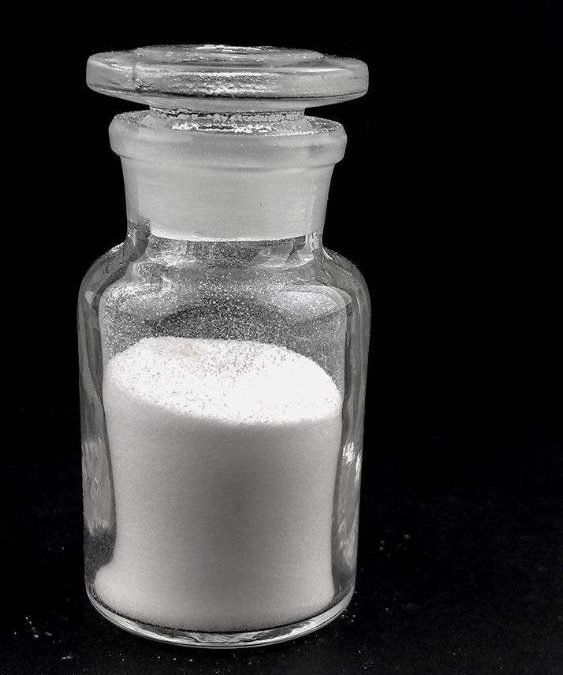
Potassium hydroxide is commercially available in several physical forms with different handling and dosing characteristics that suit different industrial applications. Solid KOH pellets and flakes are the most common solid forms — their high purity and well-defined physical character making them suitable for precise weighing and metering in laboratory and production processes. Concentrated aqueous solutions — typically 45 to 50 percent by weight KOH — are preferred for large-scale industrial use because they eliminate the handling hazards of solid caustic material and can be pumped and metered using chemical dosing systems. The solution form is particularly preferred for soap manufacturing, biodiesel production, and other continuous industrial processes.
Safety and Handling Requirements
Potassium hydroxide is a highly corrosive material that causes severe burns on contact with skin, eyes, and mucous membranes. Industrial handling of KOH — both solid and solution forms — requires chemical-resistant personal protective equipment including face shield, chemical-resistant gloves, and appropriate body protection. Emergency eyewash stations and safety showers must be immediately accessible wherever KOH is handled. The dissolution of solid KOH in water is strongly exothermic, releasing significant heat that must be managed during solution preparation by adding solid KOH to water gradually with stirring rather than adding water to the solid.
Electrochemical Applications Requirements
Electrochemical applications of potassium hydroxide — battery electrolyte, fuel cell electrolyte, and various electrochemical synthesis applications — require specific purity grades that minimize the trace metal contamination that can catalyze unwanted side reactions or poison electrode catalysts. Battery-grade KOH is produced with strict limits on iron, copper, and other transition metal impurities that would degrade battery performance. Buyers for electrochemical applications should specify the required purity level and obtain certificates of analysis confirming trace metal content.
Supply Chain and Pricing Considerations
Potassium hydroxide is produced by the chlor-alkali process, and its price is linked to that of potassium chloride as the raw material for electrolysis. KOH consistently commands a price premium over NaOH that reflects both the higher cost of the potassium chloride feedstock compared to sodium chloride and the smaller scale of KOH production compared to the massive global NaOH production capacity. Buyers should factor this inherent price premium into their total cost calculations and evaluate whether the specific benefits of KOH in their application justify the premium over NaOH alternatives.
Regulatory Compliance for Different Applications
Potassium hydroxide for food contact applications must meet applicable food additive grade specifications. For pharmaceutical manufacturing, pharmacopoeia-grade KOH with validated purity is required. For agricultural applications, KOH must comply with regulations governing agricultural chemical products in the applicable jurisdiction. Industrial buyers should identify the regulatory framework applicable to their specific KOH use case before selecting a supplier grade and requesting the appropriate documentation from the supplier.
Compatibility in Industrial Processes
KOH is compatible with most metals commonly used in industrial equipment including carbon steel, stainless steel, and nickel alloys, but is incompatible with aluminum, zinc, tin, and lead which it attacks. Glass, HDPE, and polypropylene are generally compatible materials for KOH solution storage and handling. Buyers establishing new KOH handling systems should verify material compatibility before finalizing equipment specifications. Avisachem provides پتاسیم هیدروکسید in multiple grades and forms with technical support for industrial procurement qualification.