
How to Operate Resistive Load Banks Safely?
Resistive load banks are widely used to test generators, backup power systems, and other electrical equipment by converting electrical power into heat and creating a controlled load. The concept is simple, but safe operation requires careful planning, proper setup, and close attention throughout every test. Mistakes can lead to overheating, electrical faults, equipment damage, or injury. Cnloadbank, which designs resistive units and also works as an rlc load bank manufacturer, has seen how disciplined operating habits protect both people and power systems. This guide walks through the key steps from preparation to shutdown.
Preparing the Site Before Start-Up
Safe operation begins before the load bank is ever switched on. The chosen location must suit the unit's size and weight and provide excellent ventilation, since load banks release large amounts of heat. Leave generous space around the unit so hot air can escape freely, and never block air vents. For outdoor work, place the load bank on flat, stable ground away from flammable materials, dust, and debris. Before connecting anything, inspect the unit for damaged wiring, loose connections, or signs of wear, because fixing small issues now prevents larger problems later.
Confirming Electrical Compatibility
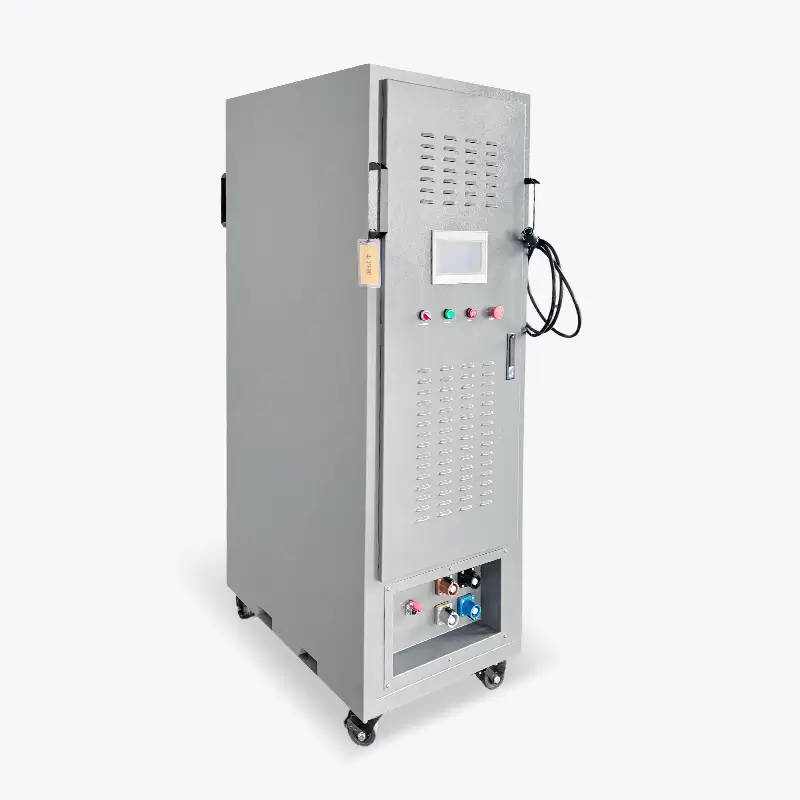
One of the most important safety checks is making sure the load bank matches the power source being tested. Operators should confirm the voltage rating, frequency of 50Hz or 60Hz, and maximum current capacity before connection. A mismatch can produce incorrect readings or damage both the generator and the load bank. These details should always be verified against the manufacturer's documentation. Proper grounding is equally essential, because a solid ground connection protects personnel from electric shock and helps the system respond safely to any electrical fault that occurs during testing.
Using the Right Cables and Connections
During a load test, cables carry very high currents, so cable selection matters. Cables must be rated for the current involved, as undersized or damaged cables can overheat and even start fires. All connections should be tightened securely, and cables should be routed without sharp bends or strain. Loose connections can cause arcing and damage terminals over time. Once everything is connected, it is good practice to recheck every connection before starting the test. If extension cables are needed, they must be heavy-duty and specifically suitable for high-power use.
Applying Load Gradually
Applying full load all at once places unnecessary stress on both the generator and the load bank. A safer approach is to start the control system, apply a small initial load step, and watch voltage and current readings closely before adding more. Increasing load in stages allows engineers to see how the system responds and gives the generator time to stabilize. Sudden large load changes can trigger voltage dips and fluctuations that distort results or trip protection devices. A gradual ramp keeps testing smooth, controlled, and much safer for everyone involved.
Monitoring Heat, Airflow and System Behavior
Heat management is one of the most important concerns during operation, because internal components can reach very high temperatures. Operators should confirm that cooling fans are running correctly, airflow is moving in the right direction, and there are no unusual smells or signs of smoke. If airflow weakens or becomes blocked, the test should be stopped immediately. A load test should never be left unattended. Voltage, current, temperature readings, and control panel alarms need continuous attention, and any unstable readings or strange noises call for a gradual load reduction and investigation.
Shutting Down Correctly
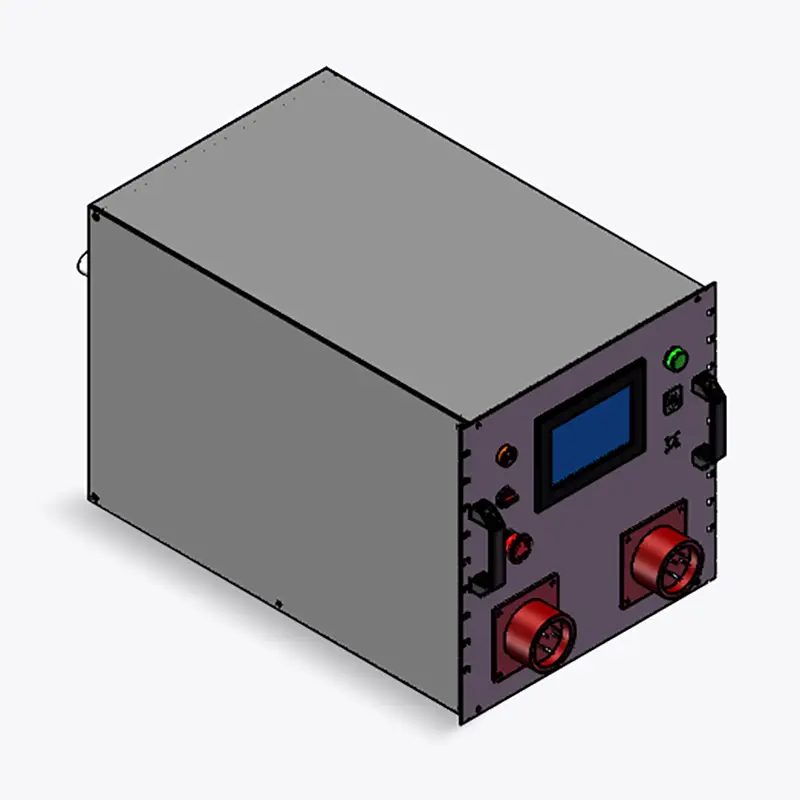
Shutting down a load bank properly is just as important as starting it safely. Abruptly disconnecting load can cause voltage spikes that damage equipment. The correct approach is to reduce load step by step until it reaches zero, then switch off the control system, and only disconnect cables once power is fully removed. The load bank should be allowed to cool before it is moved or stored, since internal parts stay hot for some time after testing ends. A patient, methodical shutdown avoids unnecessary electrical and mechanical stress on the equipment.
Safety Habits and Ongoing Maintenance
Several simple habits greatly improve operator safety. Built-in protections such as temperature sensors, circuit breakers, and emergency stop buttons must never be bypassed. Operators should wear insulated gloves and safety footwear when handling cables and always follow the specific instructions for their load bank model. Regular maintenance also plays a major role, including cleaning dust from vents and fans, inspecting heating elements and wiring, and testing alarms and sensors. Keeping records of this work helps spot recurring issues early, ensuring that every load test is carried out safely and with confidence.