
Choosing the right shampoo for your baby involves more than just picking something that smells nice or creates plenty of bubbles. Many parents find themselves weighing the differences between natural and regular shampoos, each with distinct ingredients, benefits, and potential drawbacks. Understanding these differences can help you make an informed decision that aligns with your family's values and your baby's specific needs. While both options effectively clean your baby's hair, their approaches to doing so—and their long-term effects on your baby's health and the environment—can vary significantly.
Key Differences in Ingredients and Formulation
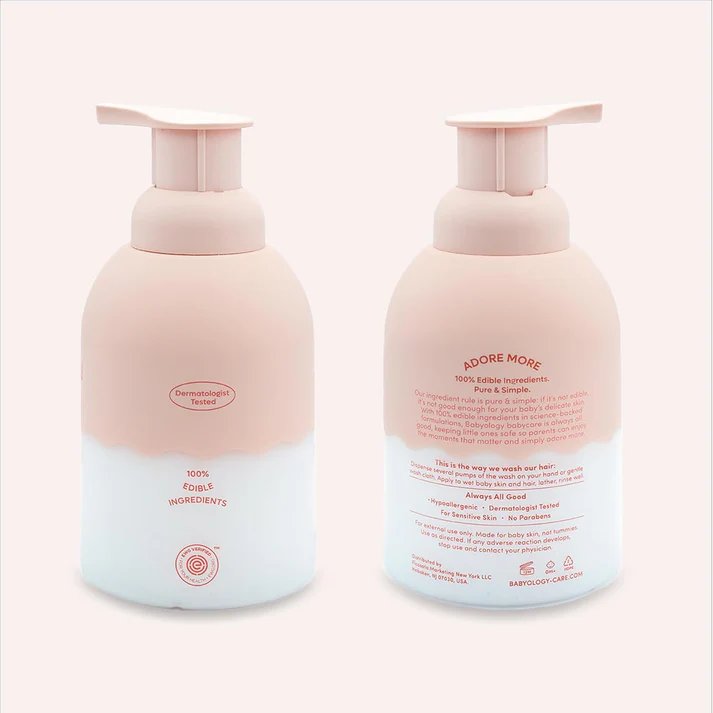
The most significant difference between natural and regular baby shampoos lies in their ingredient lists. Natural shampoos typically feature plant-based cleansers derived from sources like coconut oil, glucose, or amino acids, which gently cleanse without stripping natural oils. They use essential oils for fragrance and natural preservatives like vitamin E or grapefruit seed extract. Regular shampoos often contain synthetic detergents like sodium lauryl sulfate (SLS) for lathering, artificial fragrances that may include phthalates, and preservatives like parabens that prevent bacterial growth. These synthetic ingredients can be more effective at creating rich lather and extending shelf life but may come with potential health concerns that many parents prefer to avoid.

Skin Compatibility and Irritation Potential
Baby skin is notoriously sensitive, with a delicate barrier that's more prone to irritation and absorption of chemicals. Natural shampoos are specifically formulated to be pH-balanced and hypoallergenic, making them less likely to cause irritation, redness, or dryness. They typically avoid common irritants like synthetic fragrances, dyes, and harsh surfactants. Regular shampoos, while often marketed as "gentle" or "tear-free," may still contain ingredients that can trigger reactions in sensitive babies, particularly those with eczema or allergies. The tear-free claim in many regular shampoos is achieved through numbing agents rather than truly gentle formulations, which might still cause discomfort if left on skin for extended periods.
Safety Standards and Regulatory Oversight
Many parents don't realize that the cosmetic industry remains largely self-regulated, with manufacturers responsible for ensuring their products' safety. Natural baby shampoos often undergo stricter voluntary certifications from organizations like USDA Organic, ECOCERT, or Made Safe, which verify the natural origin and safety of ingredients. Regular shampoos primarily need to meet minimum FDA requirements, which don't require pre-market approval for ingredients. While both types must be safe for use, natural shampoos typically employ a precautionary principle, avoiding ingredients with any questionable safety data, whereas regular shampoos may use ingredients deemed "safe in small amounts" despite some concerns about long-term exposure effects.
Environmental Impact and Sustainability Considerations
The environmental footprint of baby shampoo extends from production to disposal. Natural shampoos generally use biodegradable ingredients that break down safely in water systems without harming aquatic life. Many natural brands also prioritize sustainable sourcing, eco-friendly packaging, and carbon-neutral manufacturing processes. Regular shampoos often contain synthetic ingredients that may persist in the environment and potentially disrupt ecosystems. The production processes for these synthetic components typically require more energy and generate more pollution than deriving natural alternatives. Additionally, many natural shampoo companies adopt broader environmental initiatives, making them a choice that aligns with eco-conscious parenting values.
Cost Comparison and Value Assessment
There's no denying that natural baby shampoos typically come with a higher price tag than their regular counterparts. This cost difference reflects several factors: higher-quality ingredients that are often organically grown and sustainably sourced, smaller production scales, and costly certification processes. Regular shampoos benefit from mass production using inexpensive synthetic ingredients, keeping costs low. However, when assessing value, parents should consider that natural shampoos are often more concentrated, requiring less product per use, and may help avoid potential healthcare costs associated with skin reactions or allergies. Many parents find the premium justified by the peace of mind that comes with using products containing fewer questionable chemicals.
Making the Right Choice for Your Family
Ultimately, the decision between natural and regular shampoo depends on your family's specific circumstances, values, and your baby's individual needs. Parents of babies with sensitive skin, eczema, or allergies might prefer natural options to minimize potential irritants. Families concerned about environmental impact may choose natural shampoos for their eco-friendly credentials. However, some regularly formulated shampoos have improved their formulas to remove the most concerning ingredients while remaining affordable. The most important step is becoming an informed consumer—reading labels carefully, understanding ingredient functions, and recognizing marketing hype versus genuine benefits. Whatever you choose, proper rinsing and monitoring your baby's reaction will always be more important than the specific product used.