
Introduction to Monoammonium Phosphate
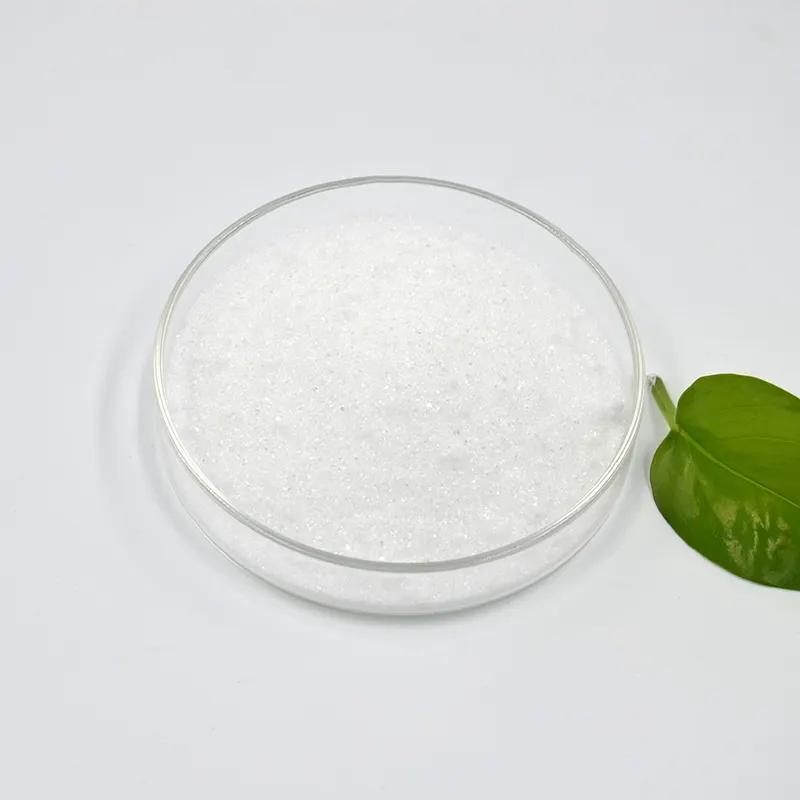
مونو آمونیوم فسفات — monoammonium phosphate, abbreviated MAP, with the chemical formula NH4H2PO4 — is a water-soluble ammonium phosphate salt produced by the reaction of ammonia with phosphoric acid in the molar ratio of one to one. It is one of the most important phosphate fertilizers in global agriculture, providing both nitrogen in the ammonium form and phosphorus in the most plant-available form simultaneously. Beyond agriculture, monoammonium phosphate is used in fire extinguisher agents, in the food industry as a leavening component and yeast nutrient, and in various industrial processes where its combination of ammonium and phosphate chemistry provides specific functionality.
Fertilizer Applications
The fertilizer market is the dominant application for monoammonium phosphate, which is one of the most widely used phosphate fertilizers globally. MAP's combination of nitrogen and phosphorus in a single granule or crystal — typically 11 percent nitrogen and 52 percent P2O5 — provides both primary macronutrients in a highly water-soluble form that allows rapid dissolution and plant uptake following soil application. The slightly acidic soil reaction of MAP makes it particularly suitable for alkaline and calcareous soils where phosphorus availability is often limited by precipitation of calcium phosphate compounds, and where the acidification effect of MAP dissolution improves phosphorus availability for plant uptake.
Fire Suppressant Applications
Monoammonium phosphate is the active ingredient in the most common dry chemical fire extinguishers, classified as ABC dry chemical because they are effective on Class A (ordinary combustible), Class B (flammable liquid), and Class C (electrical) fires. The phosphate component acts on solid fuel fires by forming a molten metaphosphoric acid coating on burning fuel surfaces that insulates the fuel from oxygen and interrupts the combustion process. The ammonium component releases ammonia gas that acts as a fire suppressant in the gas phase. Fire extinguisher grade MAP must meet specific particle size and flowability specifications to ensure reliable dispensing from the extinguisher.
Food Industry Applications
Food-grade monoammonium phosphate is approved as a food additive in many jurisdictions where it serves multiple functions. As a leavening agent in baking, it reacts with sodium bicarbonate to release carbon dioxide that causes dough and batter to rise. As a yeast nutrient in fermentation processes including bread baking, brewing, and wine making, MAP provides both the nitrogen and phosphorus that yeast cells require for rapid growth and fermentation activity. In certain baked good formulations, MAP is a component of baking powder systems where its acidic character activates the bicarbonate leavening agent.
Flame Retardant Formulations
Ammonium phosphates including MAP are effective flame retardants for cellulosic materials including wood, cotton, and paper. When applied to these materials and subjected to heat, MAP releases ammonia and phosphoric acid, both of which contribute to flame retardant action. The phosphoric acid chars the cellulose surface, creating a carbonaceous layer that insulates the substrate from further heat exposure. This intumescent flame retardant mechanism is exploited in fire-resistant treatments for structural wood, decorative wood, cotton textiles, and cellulosic insulation materials.
Industrial Chemical and Buffer Applications
In industrial chemistry, monoammonium phosphate serves as a pH buffer in fermentation processes and as a nutrient medium component in microbiological culture. Its mild acidity and the simultaneous provision of nitrogen and phosphorus nutrient make it a convenient single-component nutrient for industrial fermentation processes including those used to produce enzymes, organic acids, and pharmaceutical intermediates by microbial fermentation.
Quality and Specification Considerations
Industrial buyers of monoammonium phosphate should specify the grade — fertilizer grade, food grade, or technical grade — appropriate for their application, along with relevant purity specifications including assay, heavy metal limits, and moisture content. The physical form — granular for fertilizer applications, crystalline or powder for industrial and food applications — should be specified along with any relevant particle size requirements.