
Investment casting is one of the most precise metal forming methods available, capable of producing intricate shapes with fine detail and smooth surfaces. It is widely used for pump and valve components, automotive parts, and machinery elements that need accuracy without extensive machining. Matech, a well-known conveyor chains manufacturer that also provides precision casting services, uses investment casting to produce stainless steel and alloy parts for global customers. Understanding how the process moves from a simple wax pattern to a finished metal component helps buyers appreciate its strengths and plan projects effectively.
Creating the Wax Pattern
The process begins with a wax pattern that is an exact replica of the final part. Molten wax is injected into a metal die, which is machined to match the component's geometry with allowances for shrinkage. Once cooled, the wax pattern is removed and checked for defects. Because every detail of the pattern transfers directly to the final casting, die accuracy and wax quality are critical. For complex parts, several wax pieces may be produced separately and joined together to form a single pattern.
Assembling the Wax Tree
Individual wax patterns are attached to a central wax sprue, forming what is commonly called a tree. This arrangement allows many parts to be cast at once, improving efficiency for small and medium components. The sprue also becomes the channel through which molten metal will later flow. The layout of the tree affects how metal fills each cavity and how the castings solidify. Careful placement of patterns and gates helps ensure consistent quality across every part on the tree.
Building the Ceramic Shell
The wax tree is dipped into a ceramic slurry and coated with fine refractory sand. After drying, the process is repeated several times, with coarser sand added in later layers to build strength. The result is a thick, hard ceramic shell surrounding the wax. Each layer must dry properly before the next is applied, so shell building can take several days. The quality of this shell determines surface finish and dimensional accuracy, making it one of the most important stages in the entire process.
Removing the Wax
Once the shell is complete, the wax must be removed. This is usually done in a steam autoclave or a flash furnace, which melts the wax quickly so it drains out without cracking the shell. The name lost wax casting comes from this step. The empty shell is then fired at high temperature to burn off any remaining residue and strengthen the ceramic. Firing also preheats the shell, which helps molten metal flow into thin sections and fine details more easily.
Pouring the Metal
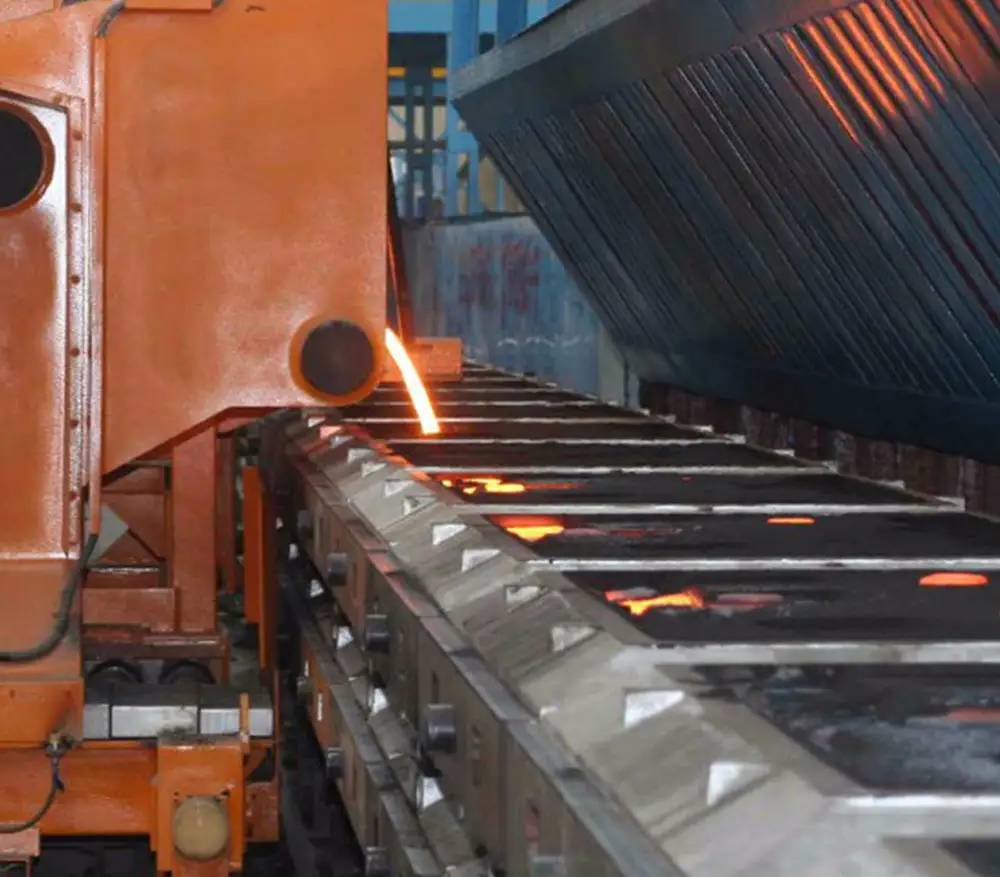
With the shell hot and ready, molten metal is poured into the cavity. Investment casting works with a wide range of alloys, including carbon steel, stainless steel, and specialty alloys. Before pouring, the metal's chemical composition is checked to confirm it meets specifications. Pouring temperature and speed are carefully controlled to fill the cavity completely without trapping gas. The metal then cools and solidifies inside the shell, taking on every detail of the original wax pattern.
Shell Removal and Finishing
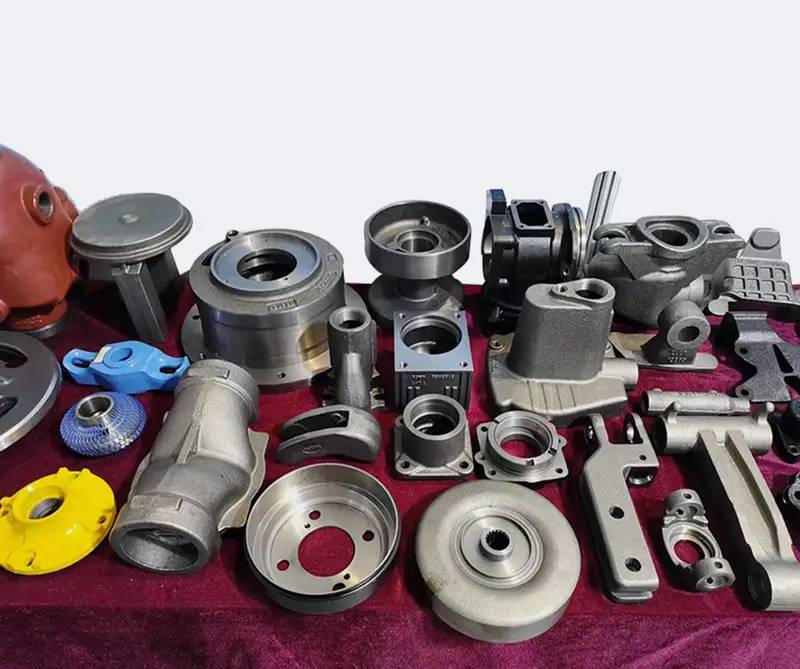
After cooling, the ceramic shell is broken away using vibration, hammering, or water blasting. Individual castings are cut from the tree, and gate areas are ground smooth. Remaining ceramic is removed by shot blasting or chemical cleaning. Heat treatment may follow to achieve the required strength and hardness. Many parts then undergo CNC machining on critical features such as bores, threads, and sealing faces, along with surface treatments like polishing or passivation for stainless steel components.
Why Investment Casting Delivers Value
Investment casting offers outstanding dimensional accuracy, excellent surface finish, and the ability to create complex shapes that would be difficult or impossible to machine. It reduces material waste and often minimizes machining time, lowering total part cost for suitable components. The process is especially valuable for parts with thin walls, internal passages, or detailed features. Buyers who share drawings and performance requirements early can work with their supplier to optimize designs for casting, achieving reliable quality and efficient production from prototype through mass manufacturing.