
Quality in dance footwear is easy to claim and difficult to prove. Every manufacturer's website promises excellence, but dancers discover the truth only after weeks of wear—when a heel loosens, a sole stiffens, or a strap stretches out of shape. Suphini's approach to quality assurance rests on two pillars that, taken together, offer more credible evidence than marketing language alone: structured research and development, and testing with actual dancers. Both processes happen before bulk production and continue as feedback shapes future designs. For studios and brands evaluating manufacturing partners, understanding how these pillars work provides a useful framework for asking the right questions and judging whether a supplier's quality claims are genuinely backed by process.
Why Quality Assurance in Dance Footwear Requires More Than Inspection
Final inspection catches visible defects, but it cannot catch design flaws. A shoe can pass every visual check and still cause blisters after two hours of dancing, lose heel balance under repeated pivots, or stiffen as materials age. Dance footwear quality therefore has to be built into design and validated through use, not merely checked at the end of the line. Suphini's quality approach generally reflects this understanding, combining development-stage testing with production-stage inspection. For buyers, this distinction matters: a manufacturer who only inspects finished shoes is solving a different problem than one who tests designs with dancers. The latter reduces the risk that entire batches share a hidden flaw.
The Role of Research and Development in Shoe Design
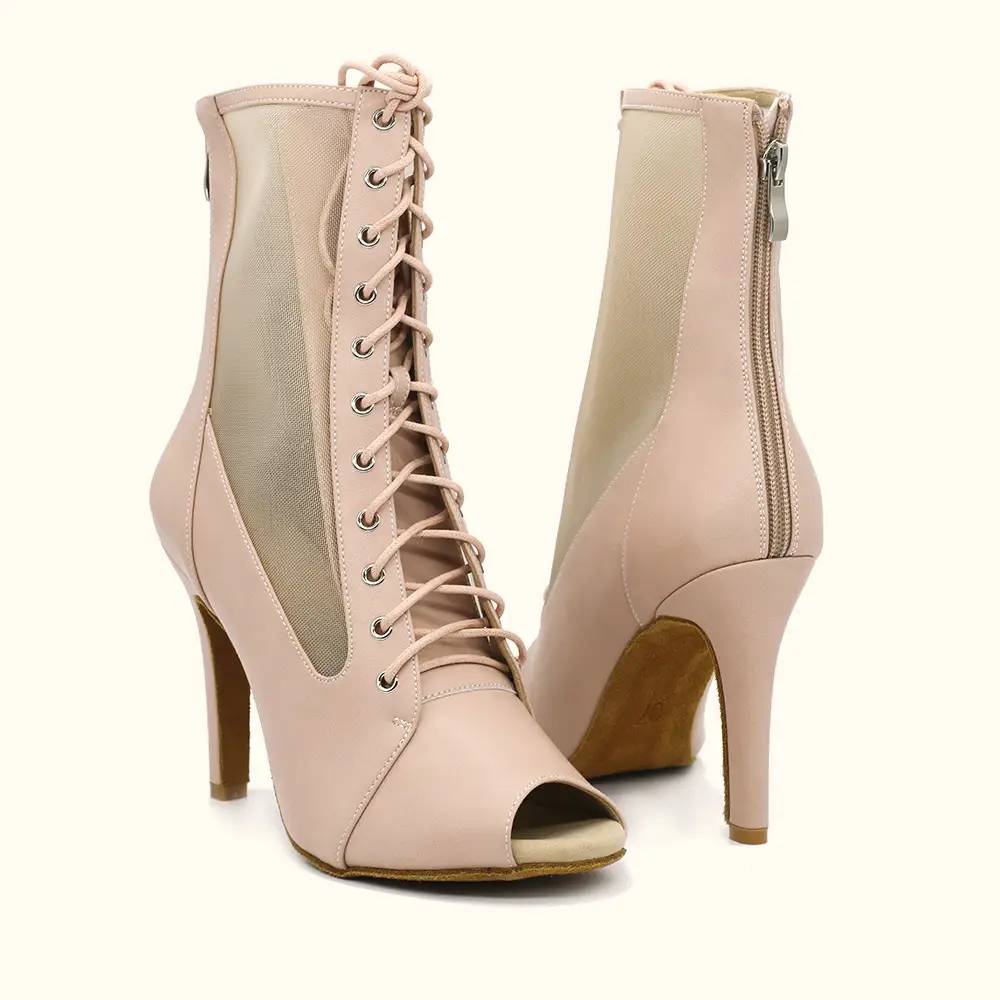
Research and development in dance footwear involves translating movement requirements into physical specifications. Suphini's R&D work generally covers last development, material testing, sole and heel engineering, and construction refinement. Designers and technicians examine how different foot shapes interact with different lasts, how various leathers and satins behave under repeated flexing, and how heel placement affects balance during specific movements. This work is iterative—prototypes are built, evaluated, and revised. R&D also responds to feedback from clients and dancers, turning complaints and suggestions into design changes. Brands evaluating a manufacturer should ask how R&D informs production and whether client feedback reaches the people actually making design decisions.
Testing Prototypes With Real Dancers Before Production
No amount of laboratory testing substitutes for dancers moving in shoes. Suphini's development process generally involves testing prototypes with actual dancers—often clients, studio partners, or experienced dancers recruited for evaluation—who wear the shoes through classes, rehearsals, and social dancing. Their feedback reveals problems that static inspection misses: pressure points that emerge after an hour, heel instability during specific turns, strap designs that slip during spins, materials that trap heat. This testing phase sits between sampling and bulk approval, and clients should participate actively in it, providing detailed observations rather than simple approval or rejection. The more specific the feedback, the more useful it is to the manufacturer's design team.
Translating Dancer Feedback Into Design Improvements
Collecting feedback is only valuable if it changes something. Suphini's process generally routes dancer observations back to the design and production teams, where they inform adjustments to lasts, materials, reinforcement placement, and construction methods. This feedback loop operates both within individual projects and across the company's product development over time—recurring complaints about a particular heel style or lining material, for example, may prompt broader changes. Clients can support this process by providing structured feedback, documenting issues with photographs where possible, and being clear about which problems are minor annoyances versus deal-breakers. A manufacturer that treats feedback as data rather than criticism tends to improve faster and produce more consistent results over repeated orders.
Quality Control During Bulk Production and Final Inspection
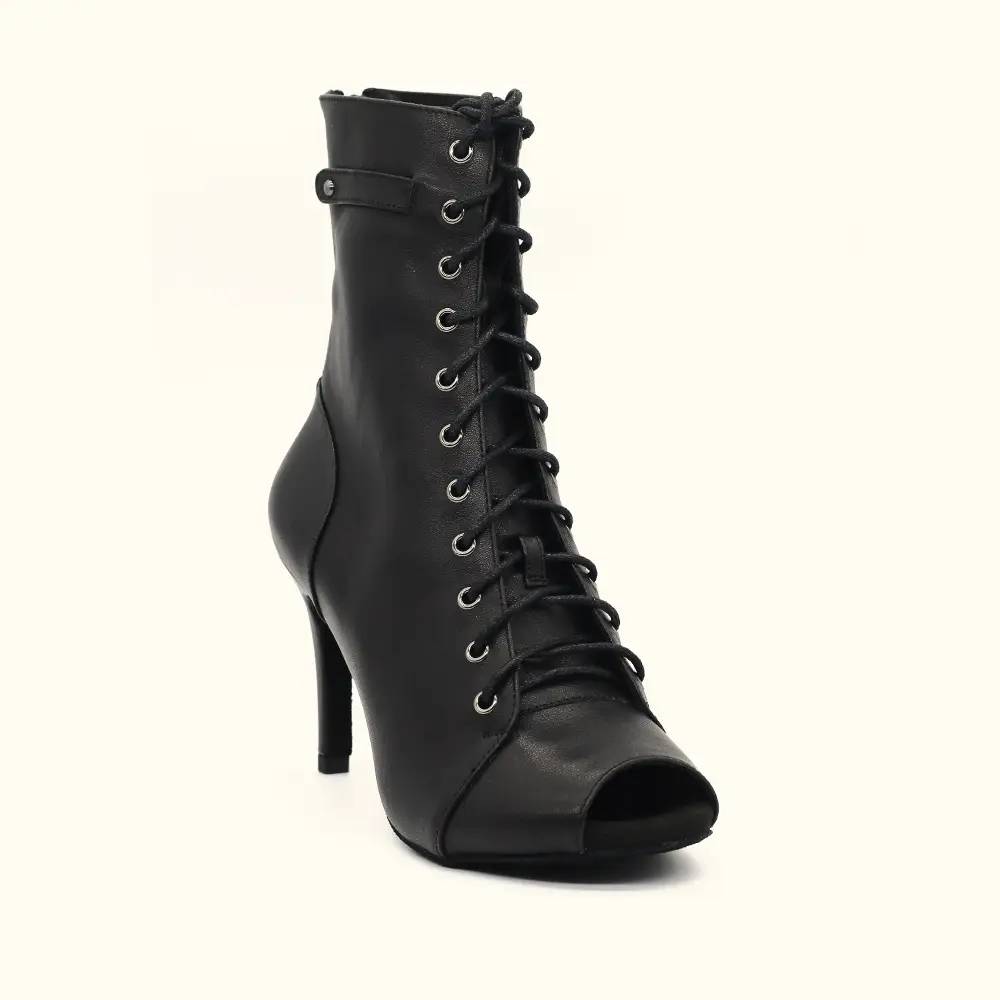
R&D and dancer testing establish a design's quality ceiling; production controls determine whether that ceiling is actually reached in each batch. Suphini's production process generally includes multiple inspection checkpoints—during cutting, after upper assembly, following sole attachment, and before packing—so problems are caught early rather than at the end. Consistent materials sourcing supports this effort, since variation in leather or satin undermines even careful construction. Clients should ask about defect tolerances, inspection procedures, and how rejected units are handled. Reviewing delivered orders against approved samples remains the most practical way for buyers to verify that production quality matches development promises, and discrepancies should be raised promptly with documentation.
What Buyers Should Ask About a Manufacturer's Quality Process
Quality claims become meaningful when buyers know what questions to ask. Studios and brands evaluating Suphini or any manufacturer should inquire about R&D practices, whether dancer testing occurs and how it is structured, what inspection checkpoints exist, and how feedback from previous clients has shaped products. Requesting references from long-term clients provides a further check on whether the process delivers consistent results. Buyers should also confirm that their own feedback will be welcomed and acted upon, since the best quality outcomes emerge from active partnership. Ultimately, quality in custom dance shoes is a process, not a slogan—and understanding the process allows buyers to judge manufacturers on evidence rather than promises.