
For dance brands, the shoe itself is only half the product. The other half is identity—the logo on the heel, the box that arrives at a customer's door, the tissue paper, the thank-you card, the unboxing moment that turns a purchase into a memory. Suphini understands this well, which is why its customization services extend beyond lasts and leathers into branding and packaging. For studios and labels wanting footwear that looks genuinely their own, these services transform ordinary manufacturing orders into distinctive branded products. This article explains how Suphini approaches exclusive logos and packaging, what options are typically available, and what clients should prepare before starting a branded order.
Why Branding Turns Shoes Into a Recognizable Product
A dance shoe without branding is a commodity; a dance shoe with thoughtful branding is a product customers remember. When a student laces up a shoe bearing their studio's logo, the footwear reinforces belonging and professionalism. When a custom dance shoes opens a beautifully packaged pair from an independent dance brand, the experience builds trust that no advertisement can replicate. Suphini's branding services exist precisely for this reason—to help clients move beyond generic footwear into products with identity. Studios gain uniform cohesion for recitals and competitions, while brands gain the visual consistency needed to compete in a crowded market. The branding elements should feel intentional rather than decorative, which is why early planning around logo placement and packaging design pays dividends.
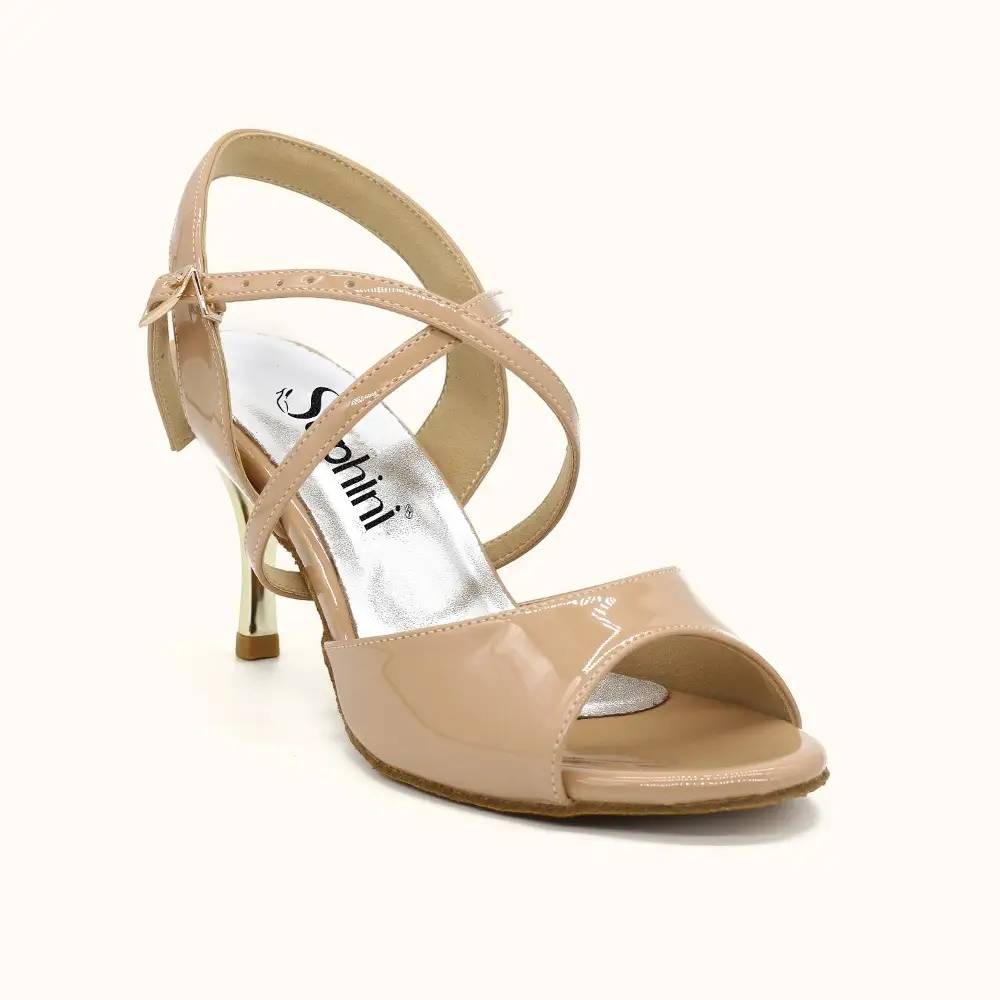
Logo Options and Placement on Custom Dance Shoes
Suphini typically offers several ways to apply an exclusive logo to dance footwear. Common approaches include embossing or debossing on leather, screen printing on satin or canvas, woven labels stitched into the lining, and metal badges or printed insoles for a premium finish. Placement matters as much as method: the heel counter, the sole, the instep, and the interior lining each offer different visibility and durability trade-offs. A logo on the sole wears away with use, while an embossed heel marking endures. Clients should discuss these trade-offs with Suphini and request physical samples showing their logo applied in each method. Logos with fine detail may not reproduce cleanly in embossing, so artwork sometimes needs simplification before production.
Packaging Design and Unboxing Experience
Packaging is where many dance brands underinvest, and it shows. Suphini generally supports customized packaging including branded shoe boxes, printed tissue paper, dust bags, and inserts carrying studio or brand information. The box itself can be specified in different sizes, materials, and print finishes, with logos applied via printing, foil stamping, or labels. For studios ordering in bulk, branded boxes double as storage and presentation for recital footwear. For retail brands, packaging is part of the product's perceived value and should be designed accordingly. Clients should confirm packaging dimensions against the shoe sizes being ordered, verify print colors against brand guidelines, and request pre-production proofs. Small errors in packaging—misaligned logos or incorrect colors—are highly visible and worth catching early.
Artwork, Brand Guidelines, and Production Accuracy
Branding production succeeds or fails on the quality of artwork supplied. Suphini typically requests vector files for logos, along with precise color references such as Pantone codes, so that printed and embossed elements match brand guidelines. Clients should provide complete brand documentation—fonts, color values, spacing rules, and any restrictions on logo usage. For studios with simple wordmark logos, the process is usually straightforward; for brands with complex crests or detailed marks, Suphini may recommend simplified versions for small-scale applications like heel embossing. Reviewing physical pre-production samples remains essential, since screen colors and material surfaces affect how printed colors appear. Allocating time for artwork review and sample approval prevents costly reprints and ensures the finished product matches expectations.
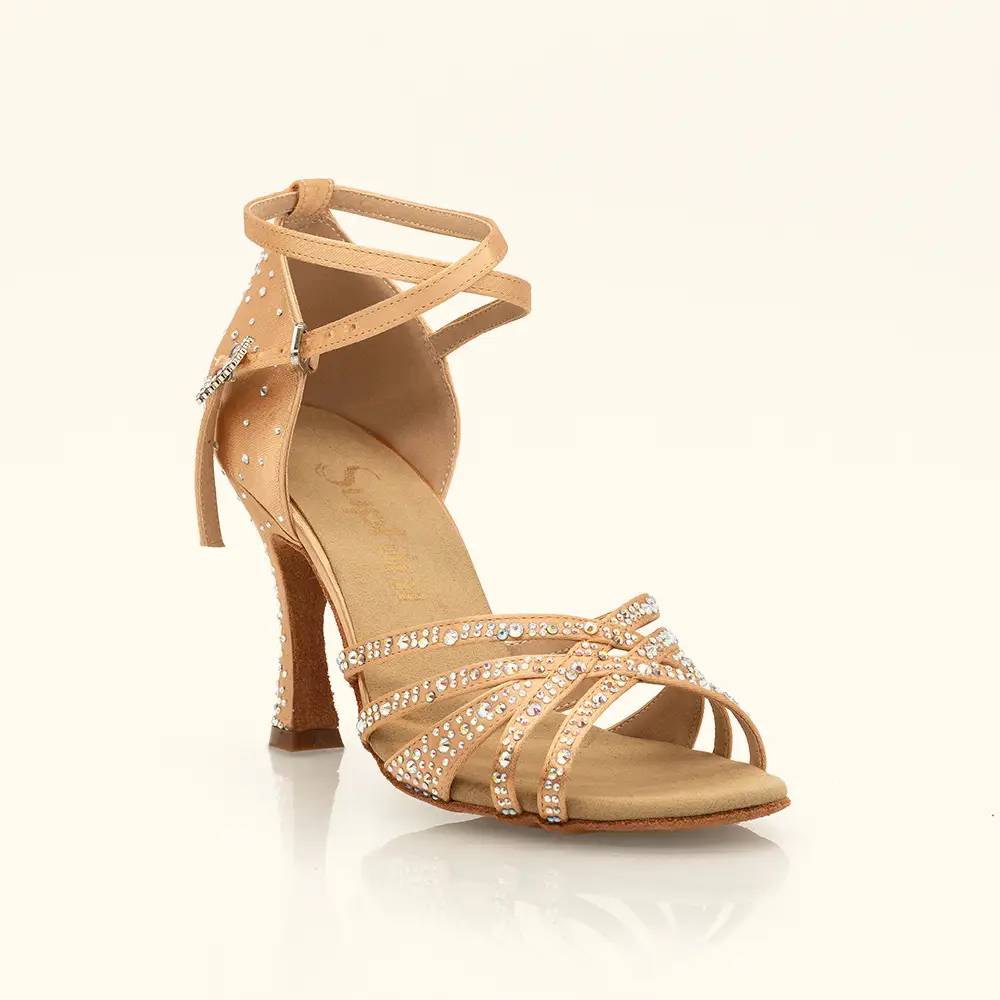
Minimum Quantities and Practical Considerations for Branding
Custom branding generally carries minimum quantity requirements, since setting up embossing plates, screens, or printed packaging involves fixed costs. Suphini's minimums vary by branding method and packaging type, so clients should clarify these early rather than assuming standard shoe order quantities apply. Practical considerations also matter: branded packaging increases shipping volume and cost, and custom boxes may have longer lead times than the shoes themselves. Studios ordering annually should plan branding decisions alongside their recital calendar, while brands launching new lines should build branding approvals into their development timeline. It is also worth discussing how branding survives wear—satin printing fades faster than leather embossing—so customers' expectations remain realistic over the shoe's lifespan.
Coordinating Shoes, Logos, and Packaging Into One Brand Story
The most effective branded footwear feels cohesive rather than assembled from separate parts. Suphini's services allow clients to align shoe design, logo treatment, and packaging into a single visual story—for example, a studio's colors carried from satin upper to box print to tissue paper. Achieving this cohesion requires planning the entire order as one project rather than a series of independent requests. Clients should prepare brand assets, define priorities, request a complete branded sample before bulk production, and maintain records of approved specifications for future reorders. When handled with care, exclusive logos and packaging turn a Suphini order into a genuine brand asset—footwear that dancers recognize, trust, and associate with the studio or label that commissioned it.