
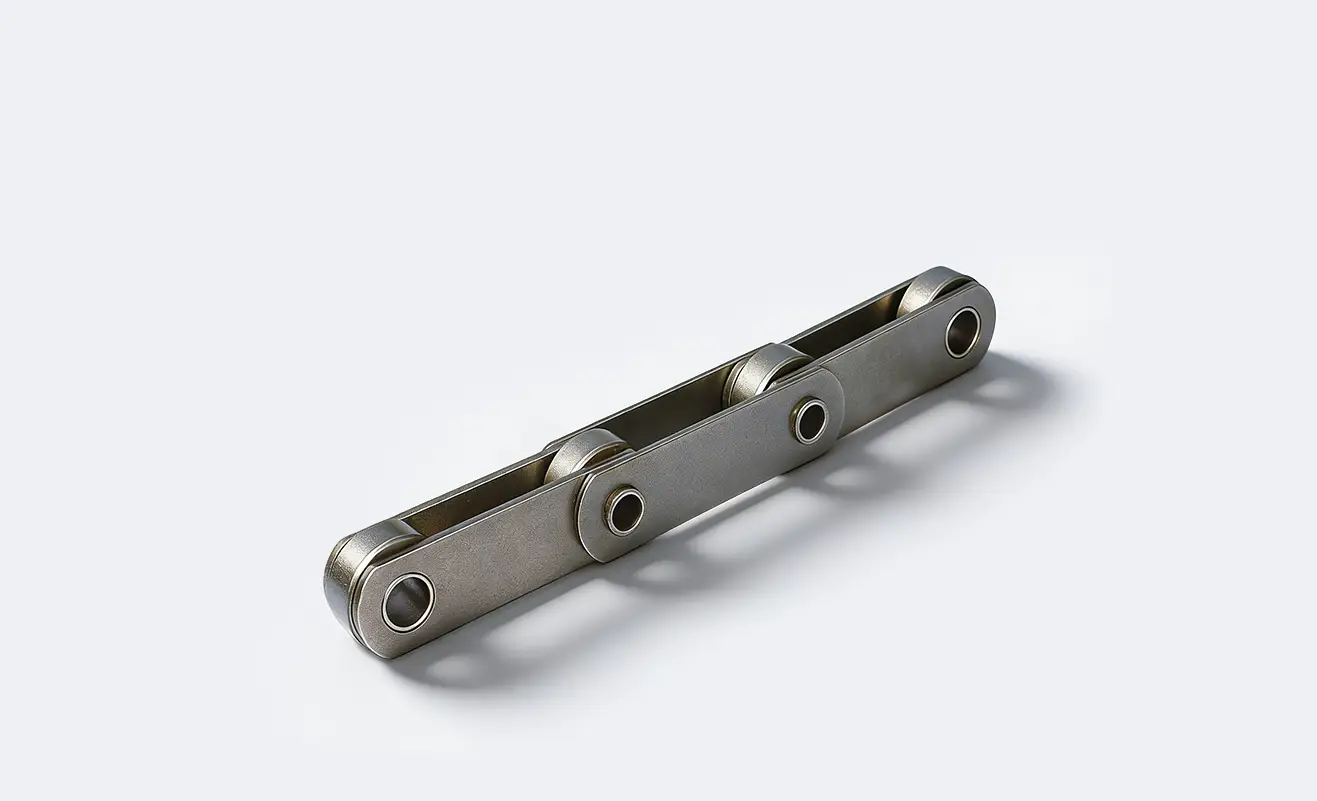
Forging remains one of the most dependable ways to produce strong metal components for demanding industrial equipment. When buyers order custom forged parts, they often focus on the finished piece and overlook the sequence of steps behind it. Knowing how a project moves from the first die to the final coating helps procurement teams set realistic schedules and avoid surprises. Matech, an experienced conveyor chains manufacturer based in Shanghai, follows a structured forging workflow that covers die making, material preparation, forming, cleaning, inspection, machining, and surface treatment, with each stage carrying its own time estimate and quality checkpoint.
Die Making Sets the Foundation
Every forging project starts with the die, and this stage usually takes the longest at roughly fifteen to twenty days. The work begins with preparing suitable steel, after which engineers design the die around the geometry of the customer's part. The die components are then cut on CNC machines and assembled into a complete tool. Because the die shapes every piece that follows, accuracy here directly influences dimensional consistency across the whole order. Buyers who share detailed drawings and tolerance requirements early make this stage smoother, since design questions can be settled before steel is ever cut.
Material Preparation and Blanking
Once the die is ready, production moves to material preparation, often called blanking, which typically takes two to three days. During this step, raw material is cut and prepared according to the specified grade, dimensions, and weight required for the forging. Getting the blank right matters more than many buyers realize. A blank that is too light can leave the part underfilled, while excess material increases flash and trimming work later. Careful preparation at this point keeps the forming stage efficient and helps control material costs across the full production run.
Forging and Forming the Part
The forming stage generally runs two to three days and is where the component actually takes shape. Depending on the process design, the material may be heated before forming or worked without heating. The blank is loaded into the die, a release agent is applied so the part separates cleanly, and the forging press shapes the metal under heavy force. This compression refines the internal grain structure, which is a major reason forged parts deliver excellent strength and fatigue resistance. After forming, the rough forged piece moves on for cleaning and further refinement.
Cleaning and Heat Treatment
After forming, the component enters a cleaning stage that lasts around three to five days. Excess material is trimmed away, rough edges are ground smooth, and sand cleaning removes scale and residue from the surface. Heat treatment is also carried out during this phase to bring the material to the required hardness and mechanical properties. This combination of finishing and thermal processing prepares the part for closer evaluation. Skipping or rushing this stage can leave hidden stresses or surface issues that later cause problems during machining or in field service.
Appearance Inspection Before Machining
With cleaning complete, each forged part goes through an appearance inspection lasting roughly two to three days. Inspectors look closely for surface defects such as laps, cracks, or irregularities that could weaken the component. Where slight deformation has occurred during forging or heat treatment, correction work is performed to bring the part back into shape. Catching these issues before machining saves time and money, because machining a flawed blank wastes valuable spindle hours. This checkpoint ensures only sound forgings move forward into the precision stages of production.
CNC Machining and Dimensional Checks
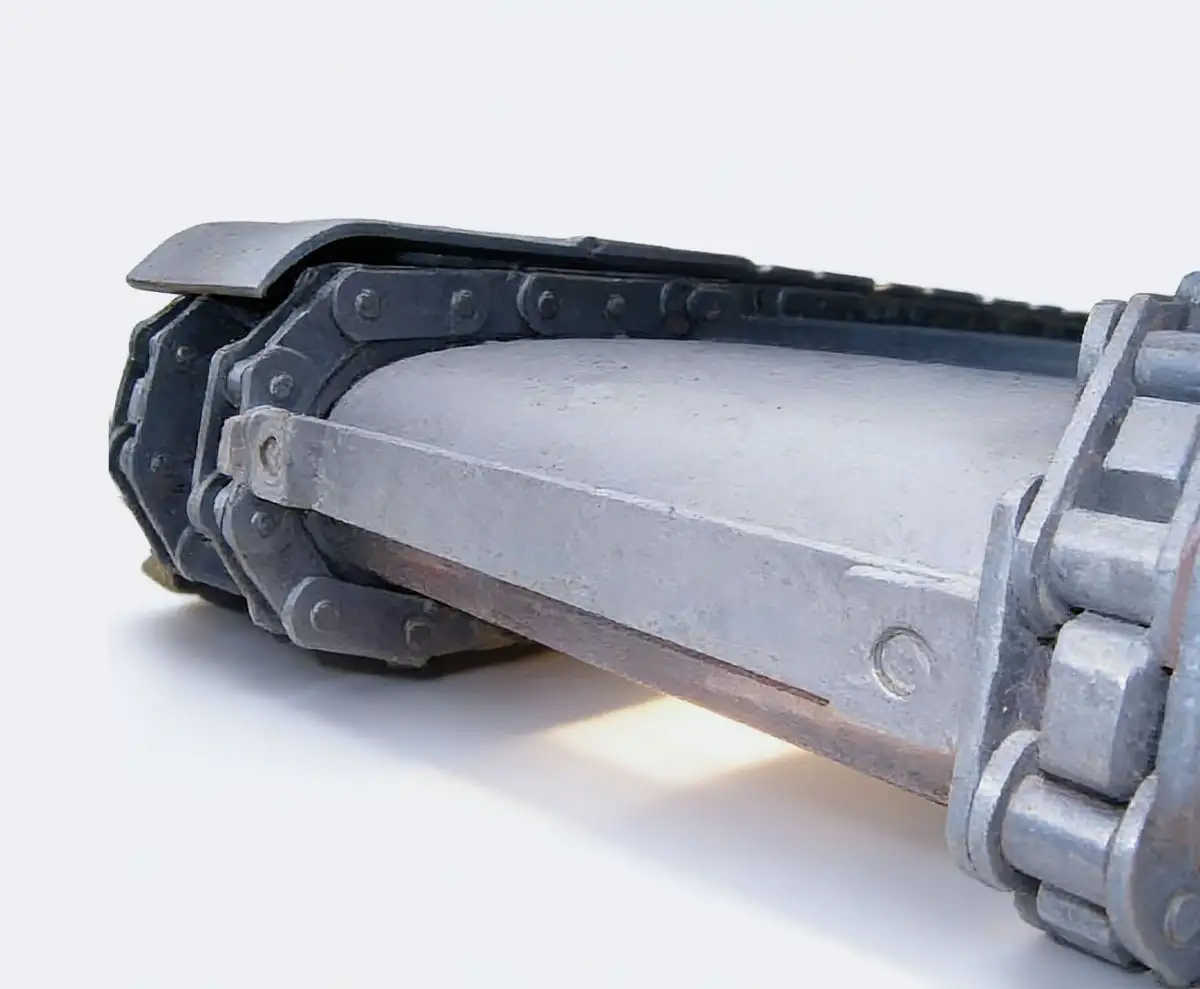
Machining is the second longest phase, taking about ten to fifteen days. Fixtures are prepared to hold the forging securely, machines are set up, and CNC operations cut the part to its final dimensions, followed by polishing or grinding when the drawing calls for it. Dimensional inspection then follows over two to three days, confirming that critical features meet the specified tolerances. This pairing of machining and measurement is what turns a strong forged blank into a ready-to-assemble component that fits precisely into the customer's equipment without rework.
Surface Treatment and Planning Your Timeline
The final stage is surface treatment, usually completed in two to three days. Options such as powder coating, electrophoresis, and painting protect the part against corrosion and improve its appearance. Altogether, the forging cycle runs from die making through blanking, forming, cleaning, inspection, machining, dimensional checks, and coating. These estimates apply to orders below one thousand pieces and do not include queue time, so actual schedules depend on factory workload. Buyers who understand each stage can prepare drawings, material specifications, and finishing requirements upfront, making communication with their supplier faster and far more productive.