
Choosing a dance shoes supplier is one of those decisions that feels straightforward until it goes wrong. A missed delivery date can empty your shelves before a competition season, a batch of poorly bonded soles can flood your inbox with returns, and a supplier who cannot handle customization can leave your brand selling the same generic products as everyone else. The difference between a smooth partnership and a costly headache usually comes down to three areas: quality control, lead times, and customization. This checklist walks through what to examine in each, with the kind of practical detail that helps buyers ask better questions before signing anything.
Start With a Clear Supplier Evaluation Framework
Before contacting any supplier, build a simple framework so you evaluate everyone on the same terms. Define your non-negotiables—dance styles covered, minimum order quantities, target prices, and required certifications—and separate them from nice-to-haves. Decide how you will weight quality versus speed versus flexibility, because few suppliers excel at all three equally. Prepare a standard set of questions and a scoring sheet, and apply them consistently to every candidate. This discipline prevents the common trap of being swayed by a charming sales pitch or an unusually low quote. A structured framework also gives you documented reasons for your final choice, which becomes valuable if problems arise later and you need to reassess the relationship objectively.
Quality Control: What to Inspect and How
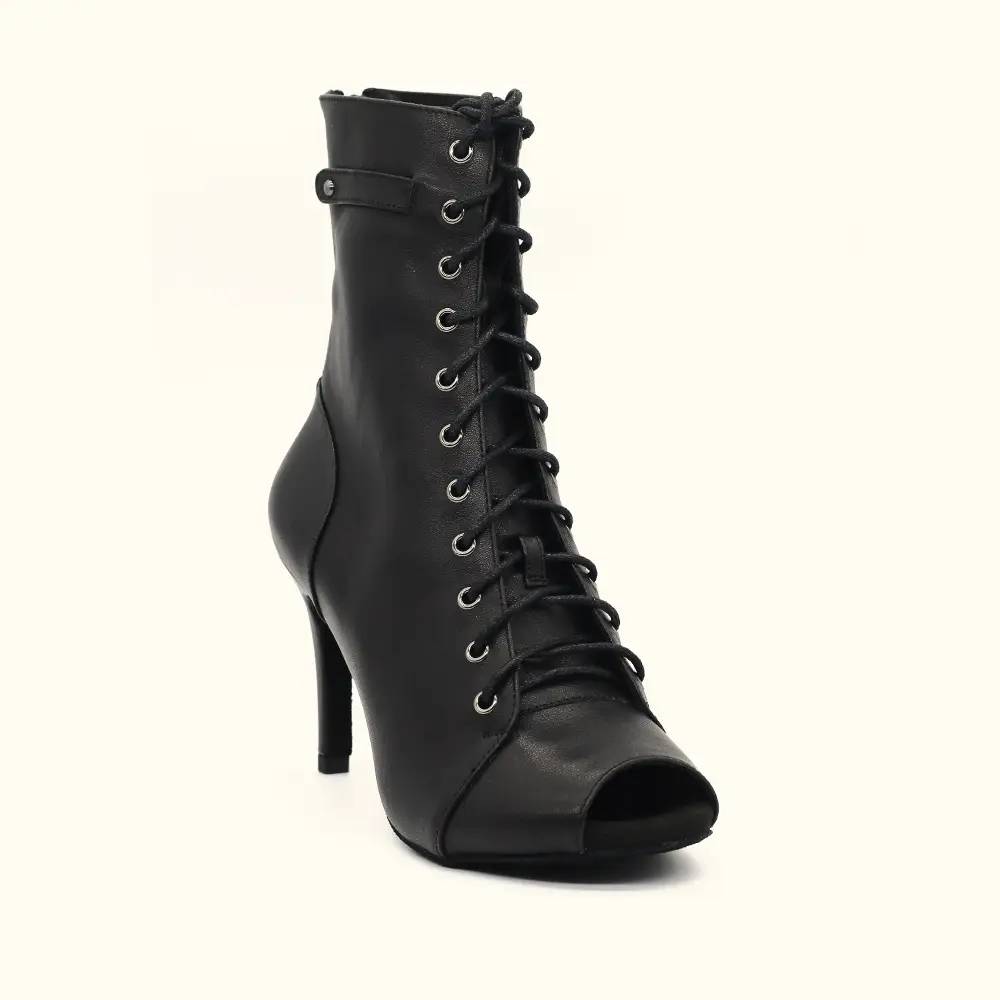
Quality control is where suppliers most often talk a good game and deliver something else. Ask specifically how inspection is structured at each stage: incoming materials, in-line production, and final checks before packing. Request their typical defect rate and, more tellingly, how they handle rejected units and customer complaints. Then verify with your own eyes by ordering samples and examining them closely—stitching consistency, sole adhesion, heel alignment, symmetry between left and right, and finish quality. For bulk orders, arrange third-party inspection or agree on an inspection protocol before shipment. A supplier confident in their process will welcome scrutiny; one who resists it is telling you something important. Quality control is not a document you receive but a practice you verify.
Lead Times: Planning for Reality, Not Promises
Lead times quoted during negotiations and lead times experienced in production are sometimes very different numbers. Ask candidates for their standard lead time, their lead time during peak seasons, and how often they miss deadlines—then ask for references who can confirm it. Clarify exactly when the clock starts: at order confirmation, deposit payment, or sample approval. Understand what happens when delays occur, including communication protocols and any remedies. Build buffer into your own planning rather than assuming best-case performance, especially for seasonal launches and competition calendars. Suppliers who give honest, slightly conservative estimates are safer partners than those who promise impossibly fast turnaround. Reliable delivery is a habit, not a claim, and past behavior predicts future performance better than any quotation.
Customization: Testing Flexibility Before You Commit
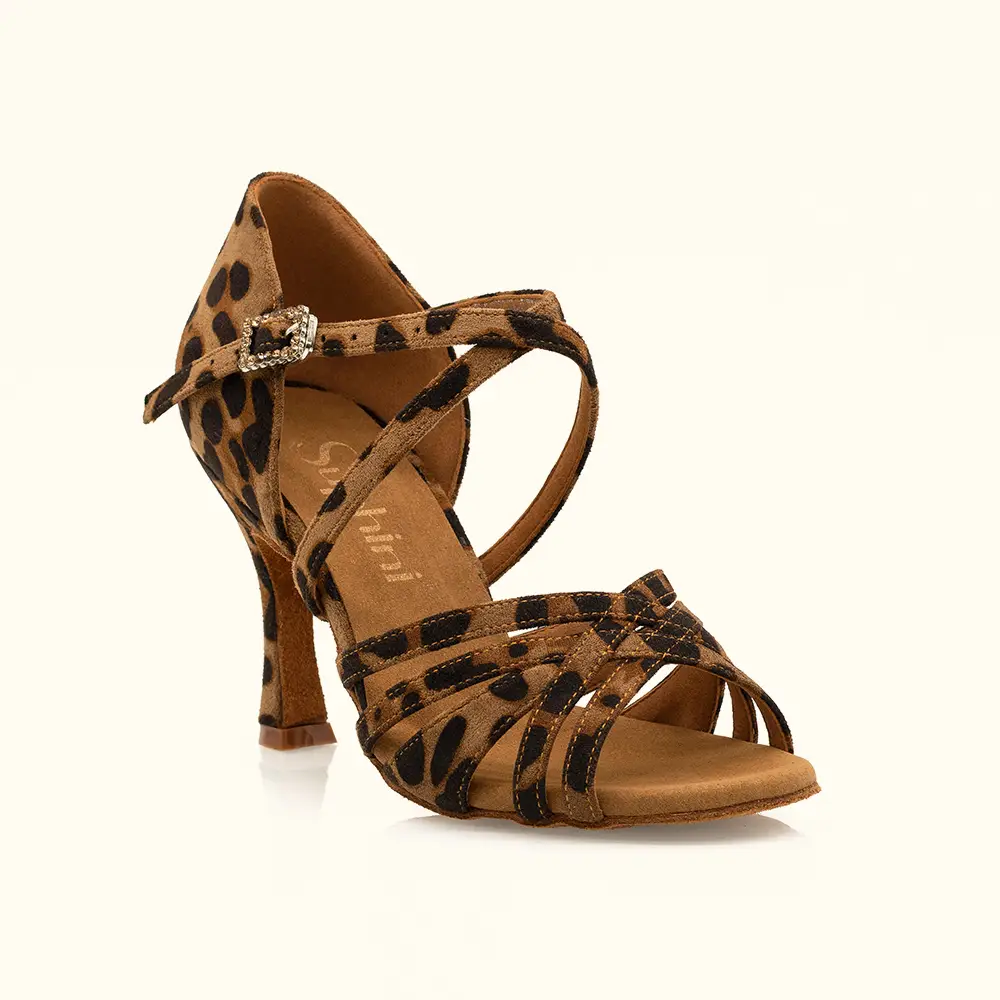
Customization capability separates suppliers who can support a real brand from those who simply resell catalogs. Ask what can be customized—materials, colors, heel shapes, sizing, branding, packaging—and, just as importantly, what cannot. Inquire about minimum quantities for custom work and any development or tooling fees. Request a custom sample and evaluate not only the result but the process: how clearly did they interpret your brief, how many revisions were needed, and how long did it take? Handmade and specialized workshops typically handle customization more gracefully than large automated factories, but you should verify this with your own order rather than assume it. A supplier who communicates openly about customization limits is more trustworthy than one who claims yes to everything.
Pricing, Terms, and the Hidden Costs
Price comparisons are meaningless without knowing what each quote includes. Ask for a full breakdown covering materials, labor, sampling fees, tooling, packaging, and shipping terms, and confirm which party bears duties and freight. Watch for quotes that look low because essential costs appear later. Discuss payment structure—deposits, milestone payments, and balance terms—and whether better terms are available for repeat buyers. Also examine how pricing scales with volume and whether customization affects unit costs. The cheapest quote is rarely the best value, especially in dance footwear where quality directly affects safety and brand reputation. A slightly higher price from a transparent supplier usually costs less over time than a bargain that generates returns, delays, and rework.
Building a Long-Term Supplier Relationship
Once a supplier passes your evaluation, the relationship still needs active management to stay healthy. Start with a small trial order, inspect it rigorously, and increase volumes gradually as consistency proves itself. Keep approved samples as binding references, document specifications clearly, and maintain a single point of contact on both sides. Give honest feedback on each shipment so problems are corrected early, and pay attention to how the supplier responds to criticism—that response predicts how they will handle bigger crises. Schedule periodic reviews of quality, delivery, and pricing rather than waiting for issues to force the conversation. Suppliers become partners through shared history, and the buyers who invest in that relationship consistently get better service, priority scheduling, and more flexible terms than those who treat every order as a transaction.