
Handmade dance shoes occupy a special place in the market. Dancers often describe the difference immediately—a handmade shoe molds to the foot, flexes where it should, and lasts far longer than its mass-produced counterpart. But "handmade" is a label that gets used loosely, and not every manufacturer who claims handcrafted production actually delivers the quality that word implies. For dance brands and studio owners sourcing footwear, knowing what separates genuinely well-made handmade shoes from ordinary factory output is essential. This guide walks through the specific things to examine when evaluating handmade dance footwear, from construction techniques to the finishing details that reveal a manufacturer's real standards.
Why Handmade Construction Still Matters in Dance Footwear
Dance shoes endure extraordinary stress. Dancers spend hours on their toes, pivot repeatedly on the ball of the foot, and demand flexibility that most footwear never needs to provide. Handmade construction addresses these demands in ways machines struggle to replicate. A skilled shoemaker can adjust stitching tension, position reinforcements precisely where stress occurs, and shape the last to produce a fit that supports technique rather than fighting it. Handmade shoes also allow for genuine size variation, which matters enormously for dancers with unusual foot shapes. The trade-off is cost and production time, but for brands targeting serious dancers, handmade quality is often the difference between a product that earns loyalty and one that gets replaced within months.
Examining Stitching Quality and Construction Techniques
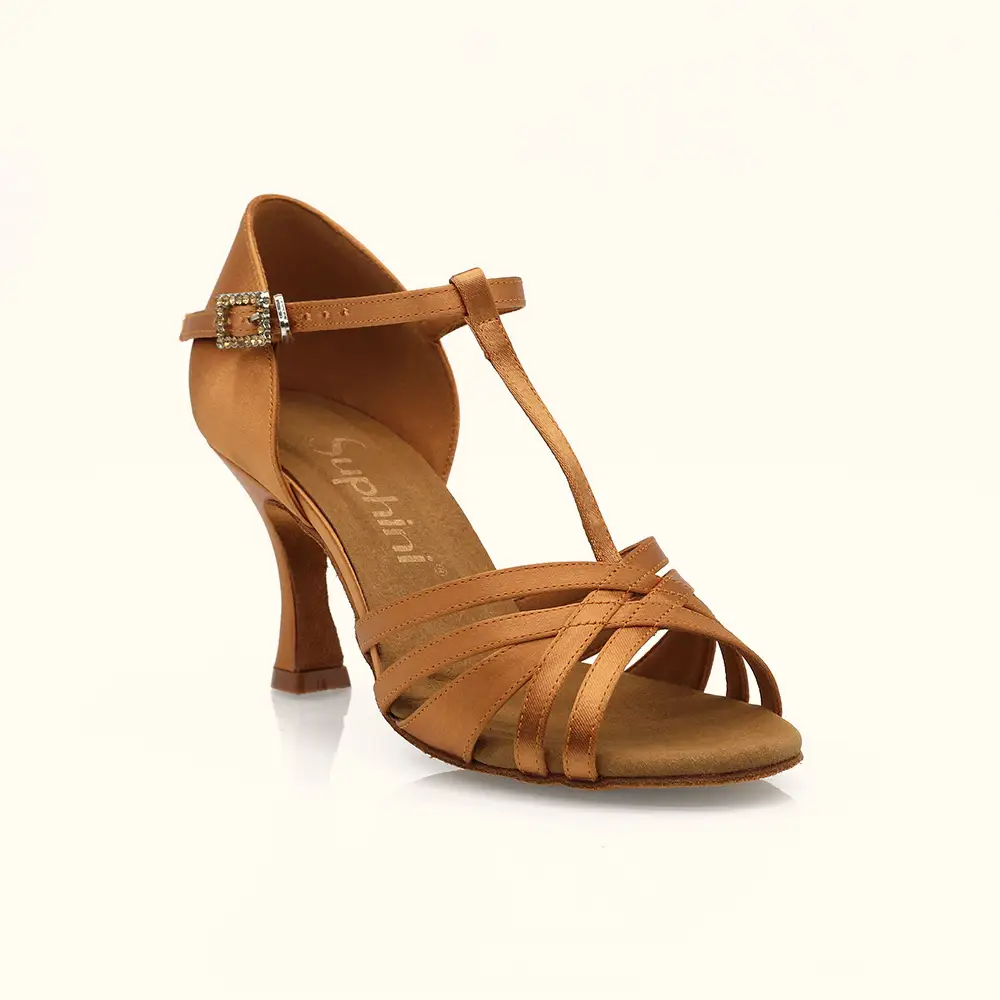
The first place to look when assessing handmade dance shoe manufacturers is the stitching. On a well-made shoe, stitching should be even, tight, and reinforced at high-stress points like the toe box, heel counter, and sole attachment. Uneven or loose stitching signals rushed work and predicts early failure. Equally important is the construction method itself. Hand-lasted shoes, where the upper is shaped over a wooden last and secured by hand, generally offer superior fit compared to cemented construction. Ask manufacturers directly about their construction process—whether soles are stitched, cemented, or a combination—and request samples you can physically examine. A manufacturer confident in their handwork will happily explain these details rather than deflecting the question.
Evaluating Leather, Satin, and Other Material Choices
Material quality determines how a handmade shoe ages. Genuine full-grain leather develops a supple fit over time and resists cracking, while lower-grade split leather or synthetic substitutes often stiffen and deteriorate. Satin, common in ballroom footwear, should feel dense and smooth rather than thin and prone to snagging. Canvas should be tightly woven and breathable. When evaluating samples, bend the shoe, twist it gently, and check whether the material returns to shape without creasing permanently. Also ask about lining materials—quality linings wick moisture and reduce blistering. Manufacturers who can explain precisely where their leathers and fabrics come from, and why they chose them, usually demonstrate the material knowledge that handmade production demands.
Sole Flexibility, Balance, and Heel Construction
Sole construction is where handmade dance shoes prove their worth. Ballet and jazz shoes require split soles that flex naturally with the foot, while ballroom shoes need a firm shank for stability during turns and heel work. Examine whether the sole bends where the foot bends and stays rigid where support is needed. Heel construction deserves equal scrutiny: the heel should be securely attached, balanced directly beneath the weight-bearing point, and finished cleanly where it meets the sole. Loose or poorly aligned heels cause instability and injury risk. During sample evaluation, walk and pivot in the shoes if possible, and ask manufacturers how they test heel strength and sole adhesion before shipping.
Finishing Details That Reveal True Craftsmanship
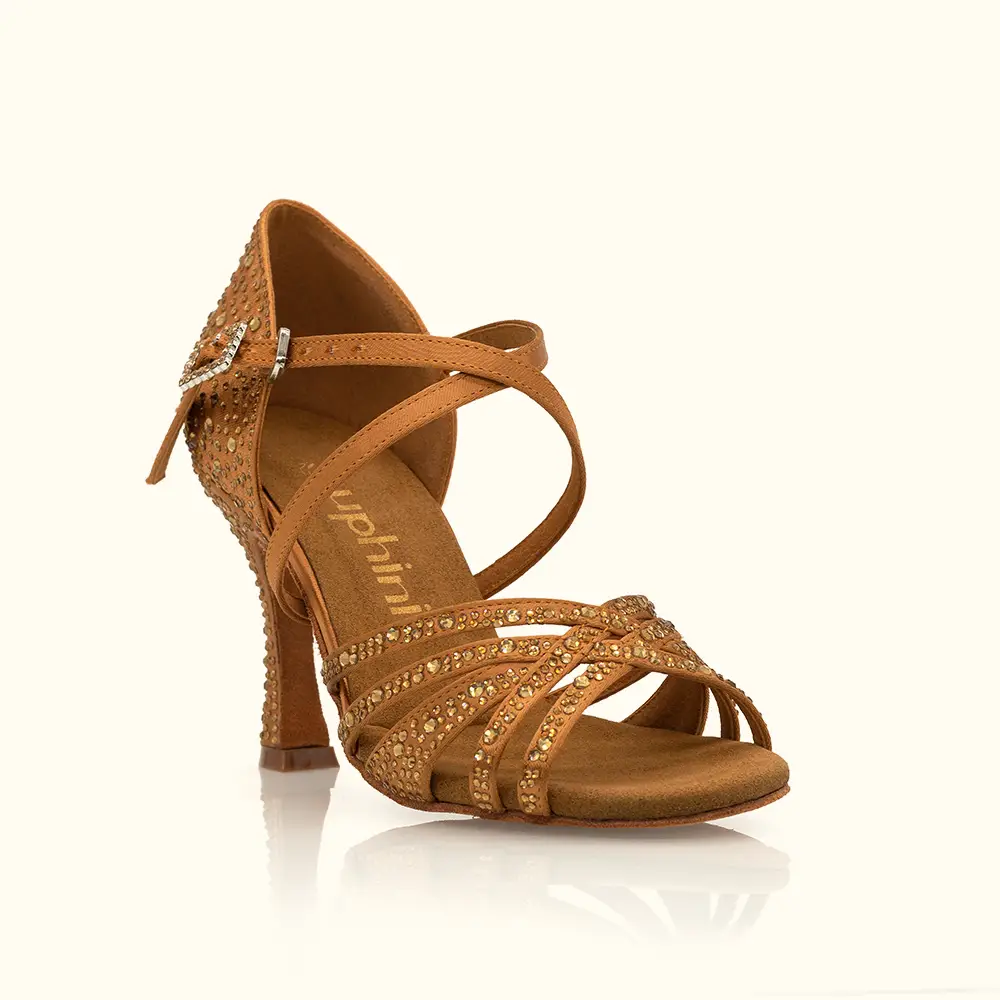
Small finishing details separate genuine craftsmanship from superficial imitation. Look at edge finishing on the sole, the neatness of interior stitching, the symmetry of the left and right shoe, and whether decorative elements like straps or buckles are securely attached. Check the inside of the shoe for rough seams or loose threads that could cause discomfort during long rehearsals. Smell the materials—strong chemical odors often indicate low-grade adhesives or dyes. Examine how the shoe holds its shape when not worn; well-constructed handmade shoes retain structure rather than collapsing. These details rarely appear in marketing photos, which is why physical samples are indispensable when evaluating any manufacturer claiming handmade quality.
Questions to Ask Before Committing to a Manufacturer
Before signing with any handmade dance shoe manufacturer, ask direct questions and expect direct answers. Inquire about the number of skilled craftspeople employed, average production time per pair, and how quality control is conducted. Request references from existing clients, particularly brands selling in markets similar to yours. Ask about defect rates and the process for handling returns or repairs. Clarify minimum order quantities and whether customization is genuinely available or limited to surface changes. Finally, order samples and, ideally, have dancers test them over several weeks. A manufacturer with genuine handmade expertise welcomes this diligence—it protects both parties and builds the kind of partnership that lasts beyond a single order.