
When it comes to building muscle, few supplements have generated as much scientific interest and real-world results as creatine monohydrate. For decades, this unassuming powder has been the subject of extensive research, consistently demonstrating its ability to support muscle growth and enhance athletic performance. Unlike many supplements that rely on marketing hype rather than evidence, creatine monohydrate's reputation is built on a solid foundation of clinical studies and practical results. Whether you're a seasoned bodybuilder or just beginning your muscle-building journey, understanding how this proven supplement works can help you make informed decisions about your supplementation strategy and training approach.
The Scientific Mechanism Behind Muscle Growth
Creatine monohydrate supports muscle growth through several well-documented biological mechanisms. Primarily, it increases the phosphocreatine stores in your muscles, which enhances your body's ability to produce ATP (adenosine triphosphate) during high-intensity exercise. This energy boost allows you to train harder and complete more volume—additional reps, heavier weights, or more sets—which creates the necessary stimulus for muscle growth. Additionally, creatine draws water into muscle cells, creating a hydrated environment that promotes protein synthesis and reduces protein breakdown. This cell volumization effect not only makes muscles appear fuller but actually creates conditions favorable for long-term growth.

Research-Backed Results for Hypertrophy
Numerous studies have confirmed creatine monohydrate's effectiveness for muscle growth. A comprehensive analysis published in the Journal of Strength and Conditioning Research found that creatine supplementation significantly increased lean body mass and strength compared to placebo groups. Another study tracking athletes over several weeks showed that those using creatine gained significantly more muscle mass while following the same training program as non-users. The consistency of these results across multiple studies is particularly impressive—research consistently shows that creatine users experience approximately 2-5 pounds of additional muscle mass over training periods ranging from 4-12 weeks compared to those training without supplementation.
Enhanced Training Capacity and Performance
The muscle growth benefits of creatine monohydrate largely stem from its ability to enhance training performance. By improving your energy production during high-intensity exercise, creatine allows you to maintain higher power output throughout your workouts. This means you can complete more repetitions at a given weight, add extra weight to your exercises, or reduce rest periods between sets while maintaining performance quality. This increased training volume—the total amount of work performed—is a primary driver of muscle hypertrophy. Over time, these small improvements in each workout accumulate into significant muscle growth that wouldn't be possible without enhanced recovery between efforts.
Synergy with Proper Nutrition and Training
While creatine monohydrate provides significant benefits on its own, it works most effectively when combined with proper nutrition and training practices. Research shows that creatine supplementation enhances the muscle-building effects of resistance training, particularly when consumed alongside carbohydrates and protein. The insulin response from carbohydrate consumption helps shuttle creatine into muscle cells more effectively, while adequate protein provides the building blocks for muscle repair and growth. For optimal results, users should maintain a slight caloric surplus with sufficient protein intake (approximately 0.7-1 gram per pound of body weight) while following a structured resistance training program that progressively challenges muscles.
Practical Supplementation Protocol
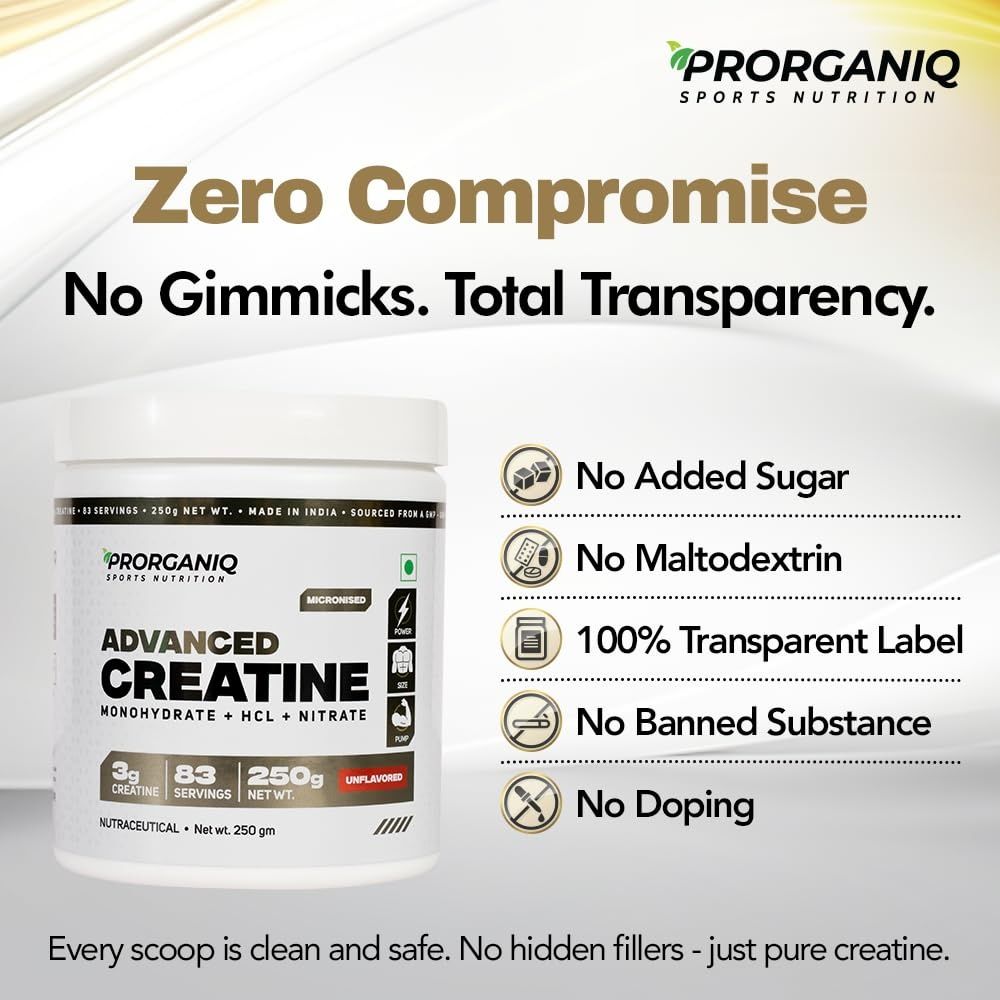
Implementing creatine monohydrate into your routine is straightforward and requires no complicated protocols. The most effective approach involves taking 3-5 grams daily, regardless of training days. While some people prefer a "loading phase" of 15-20 grams daily for 5-7 days, this isn't necessary—taking the maintenance dose will achieve the same muscle saturation levels within 3-4 weeks. Consistency matters more than timing, though many athletes prefer taking creatine with their post-workout nutrition to capitalize on increased nutrient uptake following exercise. The powder mixes easily with water, juice, or protein shakes and has minimal taste, making it simple to incorporate into your daily routine.
Safety Profile and Long-Term Use
Despite misconceptions that occasionally surface, creatine monohydrate remains one of the most thoroughly researched and safest supplements available. Long-term studies involving supplementation periods of up to five years have shown no adverse effects on kidney or liver function in healthy individuals. The International Society of Sports Nutrition has stated that creatine monohydrate is not only effective but also safe when used at recommended doses. Some users may experience minor water retention during the initial weeks of use, but this typically subsides and is actually part of the cell volumization process that supports muscle growth. As with any supplement, those with pre-existing kidney conditions should consult with a healthcare professional before use.
The evidence supporting creatine monohydrate for muscle growth is both extensive and compelling. Through multiple biological mechanisms—from enhanced energy production to improved cell volumization—this proven supplement creates an environment conducive to muscle hypertrophy when combined with proper training and nutrition. Its safety profile, affordability, and consistent results across countless studies make it an invaluable tool for anyone seeking to maximize their muscle-building potential. While no supplement can replace hard work and consistency in the gym, creatine monohydrate provides a scientifically-backed advantage that can help you achieve better results from your training efforts.