
The Impact of Noise
Noise affects how people feel in their homes and workplaces. Constant sound from neighbours, traffic, or adjoining rooms can disrupt sleep, reduce concentration, and increase stress. As more people live in flats, terraced homes, and shared buildings, effective noise control has become increasingly important. Acoustic insulation helps reduce sound transfer through walls, floors, and ceilings, creating calmer and more private spaces. Insulation Store Online offers acoustic products that help homeowners and professionals create quieter environments for living, working, and relaxing.
How Sound Travels
Sound moves through buildings as airborne sound and impact sound. Airborne sound includes voices, music, and television, travelling through air and building elements. Impact sound is created when something strikes a surface, such as footsteps on floors. Both types can travel through walls, floors, and connected structures. Effective acoustic design uses mass to block sound, absorbent materials to reduce sound within cavities, and separation to break vibration paths. Understanding these principles helps in selecting effective acoustic solutions.
Mineral Wool for Sound Absorption
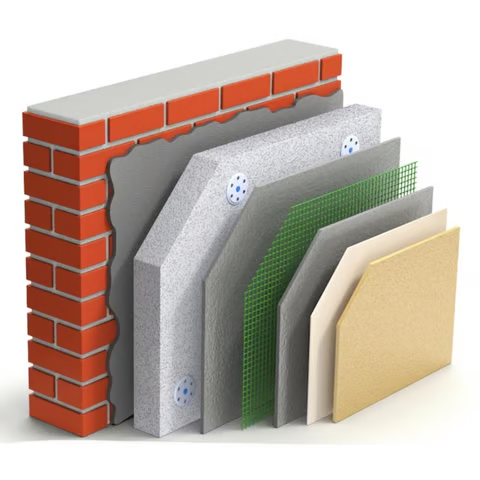
Mineral wool is one of the most effective materials for acoustic insulation. Its fibrous structure absorbs sound energy within wall and floor cavities, reducing reverberation and improving sound reduction. Stone wool products, such as Rockwool acoustic slabs, offer dense, effective sound absorption along with fire resistance. Installing mineral wool between studs or joists significantly improves the acoustic performance of partitions and floors. It is a key component in many sound insulation systems used in homes and commercial buildings.
Adding Mass and Separation
Blocking sound requires mass. Using dense acoustic plasterboard or multiple layers of plasterboard increases the mass of walls and ceilings, reducing airborne sound transfer. Separation helps by preventing vibrations passing directly through structures. Resilient bars, acoustic hangers, or independent stud walls decouple linings from the structure. Combining mass, absorption, and separation creates high-performance acoustic constructions. These principles are particularly important in conversions and new builds where sound insulation must meet regulatory requirements.
Floors and Impact Noise
Impact noise through floors is a common complaint in flats and multi-storey homes. Acoustic underlays, resilient layers, and floating floor systems help absorb footstep vibrations before they reach the structure. Installing mineral wool between joists improves airborne sound performance. Ceilings below can be upgraded with resilient fixings and acoustic plasterboard. Combining these measures provides significant improvements. Careful attention to edges and junctions prevents sound bypassing the treatment through flanking paths.
Sealing Gaps and Flanking Paths
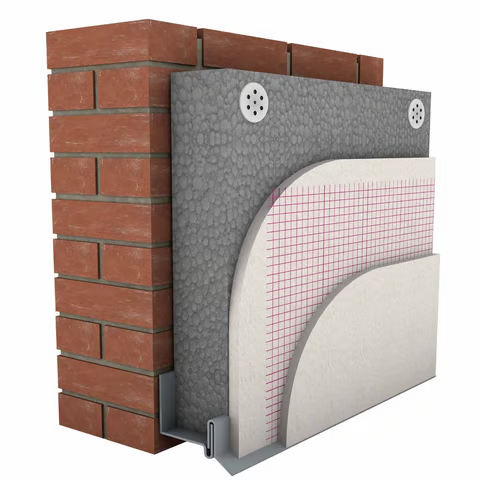
Even small gaps can significantly reduce acoustic performance. Sound travels easily through gaps around sockets, pipes, doors, and edges of partitions. Sealing these gaps with acoustic sealant improves results. Flanking paths, where sound travels around separating elements through connected structures, must also be considered. Careful detailing at wall, floor, and ceiling junctions helps reduce flanking transmission. Attention to these details ensures acoustic insulation delivers its full potential and achieves the desired noise reduction.
Enjoy Peace and Quiet
Acoustic insulation helps create peaceful, private, and comfortable spaces by reducing unwanted noise. By understanding how sound travels and combining absorption, mass, separation, and careful sealing, you can significantly improve acoustic performance. Insulation Store Online offers products from respected manufacturers to support your project. Whether you are improving a bedroom, converting a building, or constructing new homes, explore acoustic insulation solutions and enjoy quieter spaces.