
Introduction to Boric Acid
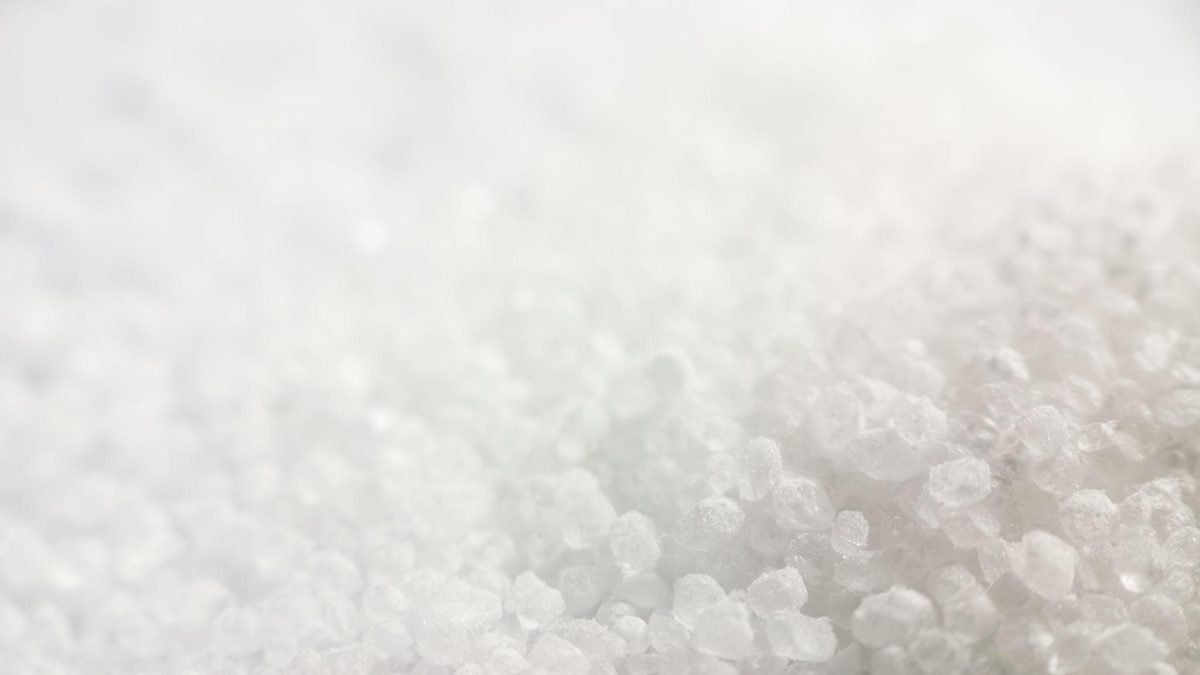
اسید بوریک — boric acid — is a naturally occurring, weak monobasic acid of boron with the chemical formula H3BO3. It occurs naturally in volcanic steam vents, hot springs, and certain mineral deposits, and is commercially produced by the acidification of borax, a naturally occurring boron mineral. As a white crystalline powder or granules with a slightly acidic taste, boric acid has been used in industrial, medical, and household applications for over a century. Its relatively low toxicity compared to many other industrial acids, combined with its broad functional versatility, has maintained its position as an important industrial chemical across multiple sectors.
Physical and Chemical Properties
Boric acid is a solid at room temperature, melting at approximately 171 degrees Celsius and dehydrating to form metaboric acid and ultimately boron trioxide at higher temperatures. It is moderately soluble in water, with solubility increasing significantly with temperature. As a Lewis acid, it acts as an electron pair acceptor rather than as a proton donor in the classical sense, accepting hydroxide ions from water to form the borate anion. This unusual acid behavior influences many of its chemical interactions and applications. Boric acid forms stable complexes with polyols and diols, a property exploited in various analytical and industrial applications.
Glass and Ceramics Manufacturing
The glass and ceramics industries represent the largest industrial consumers of boron compounds including boric acid. In glass manufacturing, boric acid is a precursor to boron trioxide, a key component of borosilicate glasses known for their low thermal expansion and chemical resistance. These specialty glasses are used in laboratory equipment, pharmaceutical packaging, cookware, and various technical applications where thermal shock resistance is essential. In ceramics, boric acid functions as a flux that lowers the firing temperature required to sinter ceramic materials, reducing energy costs and improving product properties.
Insecticides and Pest Control
Boric acid is an effective and widely used insecticide, particularly for the control of cockroaches, ants, silverfish, and other household pests. When insects come into contact with boric acid powder, the material adheres to their bodies and disrupts their digestive systems upon ingestion during grooming. Boric acid baits and powders are widely used in structural pest management programs as a less acutely toxic alternative to synthetic pyrethroids and organophosphates. The material's long residual effectiveness and its relatively low toxicity to mammals contribute to its continued preference in many pest management applications.
Textile and Leather Applications
The textile industry uses boric acid in several processing applications, including as a component in textile finishing formulations that impart fire resistance to natural fibers. Boron-containing finishes for cotton and rayon reduce the combustibility of these fibers without the acute environmental concerns associated with halogen-containing flame retardants. In leather tanning, boric acid serves as a pH adjustment agent and as a component of certain special tanning formulations that produce specific leather characteristics.
Wood Preservation and Building Materials
Boric acid and its sodium salts are effective wood preservatives that protect structural timber against fungal decay and insect attack including termites and wood-boring beetles. Unlike some traditional wood preservatives containing chromium and arsenic compounds, boron-based preservatives are considered relatively environmentally benign and are approved for use in many jurisdictions where other preservatives face restrictions. Pressure treatment and surface application methods are both used to apply boron preservatives to lumber and engineered wood products.
Metallurgical and Electronic Applications
In metallurgy, boric acid serves as a flux in welding and brazing operations, dissolving metal oxides that would otherwise prevent the formation of sound metallurgical bonds. Electronic manufacturing uses boric acid in electroplating baths for nickel and other metals, where it functions as a pH buffer and a complexing agent that influences the microstructure of deposited metal films. The semiconductor industry also uses boron compounds derived from boric acid in doping processes that control the electrical properties of silicon devices.