
Understanding Activated Alumina as an Industrial Material
Activated alumina is one of the most versatile adsorbent materials available to industrial buyers today. Its combination of high surface area, thermal stability, mechanical strength, and chemical versatility makes it suitable for applications across petroleum refining, water treatment, gas processing, pharmaceuticals, and many other sectors. Industrial buyers who understand the product's full capabilities and available grades can make more informed procurement decisions that result in better process performance and cost efficiency.
Production Process and Its Impact on Quality
The quality of activated alumina is directly influenced by its production process. Aluminum trihydrate undergoes controlled dehydration at specific temperatures, producing the porous alpha-alumina structure that gives the material its adsorbent properties. Variations in temperature, pressure, and processing time during production result in different pore size distributions, surface areas, and mechanical strengths. Industrial buyers should request detailed product specifications from suppliers, including BET surface area measurements, pore volume data, and mechanical crush strength values, to ensure the material meets the requirements of their specific application.
Grades Available for Different Applications
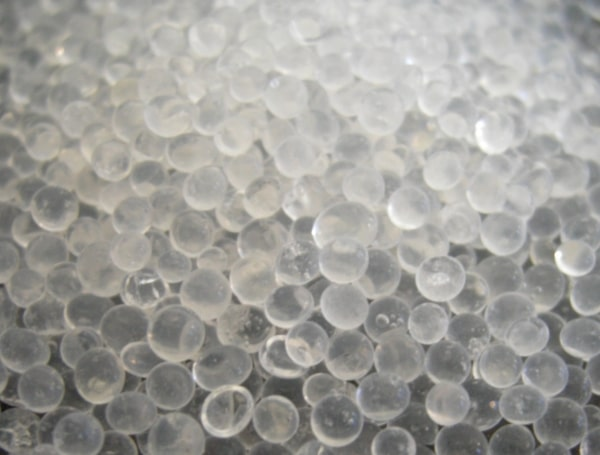
Industrial buyers will encounter multiple grades of activated alumina designed for specific applications. High-surface-area grades with fine pore structures are preferred for gas drying applications requiring extremely low dew points. Medium-grade materials with larger pore volumes are more suitable for liquid-phase adsorption applications such as water defluoridation. Specialty grades with modified surface chemistry are available for specific contaminant removal tasks in pharmaceutical manufacturing or food processing. Understanding which grade is appropriate for the intended application prevents costly mismatches between product specification and process requirements.
Regeneration and Operational Efficiency
One of the key economic advantages of activated alumina is its regenerability. When the material reaches saturation capacity — typically indicated by breakthrough of the target adsorbate in the outlet stream — it can be regenerated by applying heat in the range of 150 to 350 degrees Celsius, which drives off the adsorbed water or contaminants and restores the material's adsorption capacity. This regenerability cycle can typically be repeated hundreds of times before the material requires replacement, significantly reducing the per-unit cost of adsorption over the operational lifetime of the system.
Safety and Handling Requirements
Activated alumina is generally considered low in acute toxicity and is safe to handle with standard industrial hygiene precautions. Workers should avoid prolonged inhalation of fine dust generated during handling and should use appropriate respiratory protection when loading or unloading material in enclosed spaces. The material is non-flammable and stable under normal storage conditions, though it should be kept in sealed containers to prevent premature moisture adsorption before use in the intended process.
Selecting a Reliable Supplier
Industrial buyers should evaluate potential activated alumina suppliers based on their production capability, quality management systems, technical support resources, and track record with similar industrial clients. A reputable supplier provides consistent product quality from batch to batch, responds to technical inquiries with specific expertise, and offers the documentation — certificates of analysis, material safety data sheets, technical data sheets — that industrial procurement processes require. Long-term supply relationships with reliable producers provide the product consistency that continuous industrial operations depend on.
Procurement Guidance for Industrial Applications
Buyers purchasing آلومینای فعال for industrial applications should obtain samples for application testing before committing to large-quantity purchases, negotiate supply agreements that include quality guarantee provisions, and establish clear communication channels with supplier technical teams. Understanding the full cost of ownership — including regeneration energy costs, replacement cycle frequency, and disposal requirements for spent material — enables more accurate total cost of use calculations that support better procurement decisions. Avisachem provides activated alumina with full technical support for industrial procurement requirements.