
Have you ever noticed how some rooms just feel peaceful while others feel chaotic, even when they are equally tidy? The difference often comes down to sound. In rooms with hard surfaces everywhere—drywall, hardwood, glass, tile—sound bounces and echoes until it becomes a stressful background noise you barely notice until it is gone. Acoustic paneling for walls solves this problem beautifully. These panels are designed to absorb sound waves rather than reflecting them, dramatically reducing echo and reverberation. But here is the best part: modern acoustic paneling no longer looks like the grey foam tiles you remember from recording studios in the 1990s. Today’s options include elegant wood slats, fabric-wrapped squares, geometric felt shapes, and even paintable finishes that blend seamlessly with your decor. You can finally have a room that sounds as good as it looks, whether you are watching movies, working from home, or just trying to enjoy a quiet conversation.
Understanding How Acoustic Paneling Actually Works
Let me demystify the science because it is simpler than you might think. Sound travels in waves. When those waves hit a hard, flat surface like drywall or glass, they bounce off and travel to another hard surface, then another, creating a chain reaction of reflections. Your brain processes all those reflections as echo and reverberation. Acoustic paneling interrupts that chain. The panels are made from porous, fibrous materials—usually foam, felt, or mineral wool—that contain millions of tiny air pockets. When sound waves enter those pockets, they lose energy and dissipate instead of reflecting. Some panels also feature a wooden or fabric front surface with gaps or perforations that allow sound to pass through to the absorbent layer behind. The result is a room where sound waves are absorbed within milliseconds, leaving only the direct sound you actually want to hear. You will notice the difference immediately. Conversations become clearer, music sounds more detailed, and that constant, exhausting background noise simply vanishes.
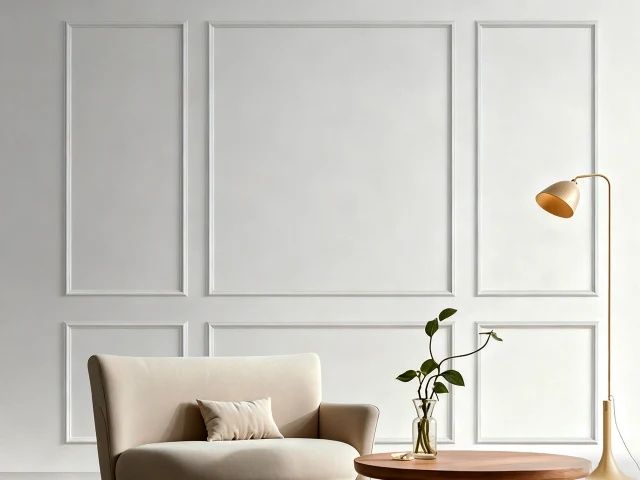
Different Types of Acoustic Panels for Different Needs
Not all acoustic panels are created equal, and the best choice depends on your room and your style. Fabric-wrapped panels are the most common and versatile. They consist of a rigid fiberglass or mineral wool core wrapped in a decorative fabric. You can choose virtually any fabric color or pattern, making it easy to match your decor. These panels excel at absorbing mid and high-frequency sounds, making them ideal for home offices, living rooms, and bedrooms. Wood slat acoustic panels have become incredibly popular in recent years. They feature rows of wooden slats—often oak, walnut, or ash—mounted onto a felt or foam backing. The wood adds warmth and texture while the felt absorbs sound. These panels work beautifully in modern and Scandinavian interiors. Felt acoustic panels are made from compressed recycled polyester felt, often cut into geometric shapes like hexagons, diamonds, or waves. They are lightweight, easy to install, and available in many colors. These are perfect for adding a playful or artistic touch to a room while improving acoustics. Perforated wood panels feature sheets of wood with thousands of tiny holes drilled through them, with an absorbent layer behind. They offer a more subtle, uniform look that works well in commercial spaces and high-end homes.
Where to Install Acoustic Panels for Maximum Effect
Strategic placement is the key to getting the most out of your acoustic paneling. You do not need to cover every wall. In fact, covering just fifteen to thirty percent of your wall area can make a dramatic difference if you place the panels correctly. The most important locations are the walls where sound first reflects. In a home theater or living room, the wall behind your speakers or television is critical, as it catches the initial sound waves. The wall directly behind your seating position is equally important, as it catches sound after it has traveled across the room. In a home office, place panels on the wall behind your computer monitor and the wall behind your chair. These two surfaces create the most troublesome reflections during video calls. In an open-concept living and dining area, focus on large, uninterrupted wall surfaces, especially those opposite hard surfaces like kitchen islands or tile floors. If you have a room with a high ceiling, consider placing panels on the upper portion of the walls or even on the ceiling itself. Ceiling-mounted panels are especially effective in rooms with hard flooring. For the best results, use a mirror test. Have someone hold a mirror flat against your wall while you sit in your usual listening or seating position. Any spot where you can see a speaker or another person's reflection in the mirror is a prime location for acoustic paneling.
DIY Installation Versus Professional Help
One of the great things about modern acoustic paneling is that much of it is designed for easy DIY installation. Fabric-wrapped panels often come with adhesive backing or simple hanging hardware. You just peel, stick, or hang, and you are done. Wood slat panels typically require construction adhesive and sometimes a few screws, but the process is straightforward and well within the abilities of a confident weekend warrior. Felt panels are the easiest of all. Many use removable adhesive strips, making them perfect for renters or anyone who wants to experiment with placement before committing. That said, there are situations where professional installation makes sense. If you are covering a very large area, an entire room, or a ceiling, a professional can work faster and ensure perfect alignment. If your walls are uneven, textured, or made of an unusual material like brick or concrete, a professional will know how to prepare the surface properly. Also, if you need custom-cut panels to fit around windows, doors, or built-in furniture, a professional with the right tools can achieve a seamless look that is difficult for a DIYer to match. For most homeowners, though, a single accent wall of acoustic paneling is an entirely achievable weekend project.
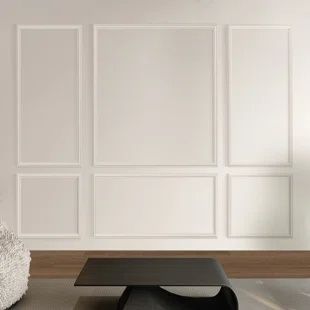
Balancing Acoustic Performance with Aesthetic Appeal
The days of choosing between good sound and good looks are over. Modern acoustic paneling offers both, but you still need to make thoughtful choices to achieve the right balance. For a room that needs serious sound control, such as a home theater or music room, prioritize performance. Choose thicker panels with higher Noise Reduction Coefficient ratings. Wood slat panels with deep felt backing or fabric-wrapped panels with dense mineral wool cores are excellent choices. For a living room or bedroom where style matters as much as sound, you can prioritize aesthetics. Felt panels in soft, neutral colors can become a beautiful geometric feature wall. Wood slat panels in a light oak or whitewashed finish add texture without darkening the room. You can also mix panel types. Use high-performance panels in key reflection points and decorative panels elsewhere. Some manufacturers even offer paintable acoustic panels, allowing you to match your wall color exactly so the panels disappear visually while still absorbing sound. Remember that color and finish affect perceived sound as well. Darker, matte surfaces feel acoustically "deader" than light, glossy surfaces, which is one reason home theaters are often painted in deep, flat colors.
Long Term Benefits Beyond Noise Reduction
Investing in acoustic paneling improves your life in ways that go beyond simply reducing echo. Studies have shown that excessive background noise and reverberation increase stress levels, reduce concentration, and even impair cognitive function. By creating a quieter, more controlled acoustic environment, you may find yourself feeling calmer, thinking more clearly, and sleeping more soundly. For remote workers, acoustic paneling can be the difference between a professional-sounding video call and an embarrassing echo chamber. For families, it means being able to hear each other over the television and the dishwasher running at the same time. For home theater enthusiasts, it means finally hearing every whisper and explosion exactly as the director intended. Acoustic paneling also protects your hearing by allowing you to listen to music and movies at lower volumes, since you do not need to overpower the room's natural echo. And because most acoustic panels are made from recycled or sustainable materials—felt from recycled bottles, wood from certified forests—you can feel good about your environmental impact. Acoustic paneling for walls truly delivers on its promise: better sound, better style, and a better quality of life in your own home.