
Choosing a wholesale supplier is one of the more consequential decisions a retail business makes, and it deserves more thought than a quick scan of a price list. A good supplier becomes part of your operations, shaping what you can offer, how reliably you can deliver, and how much margin you keep at the end of the day. SOKANY has become a familiar name among buyers looking for a dependable home appliances partner, but familiarity alone is not a reason to commit. This buyer's guide walks through what the company offers, how it works with partners, and what to consider before placing that first order.
Getting to Know the SOKANY Catalog
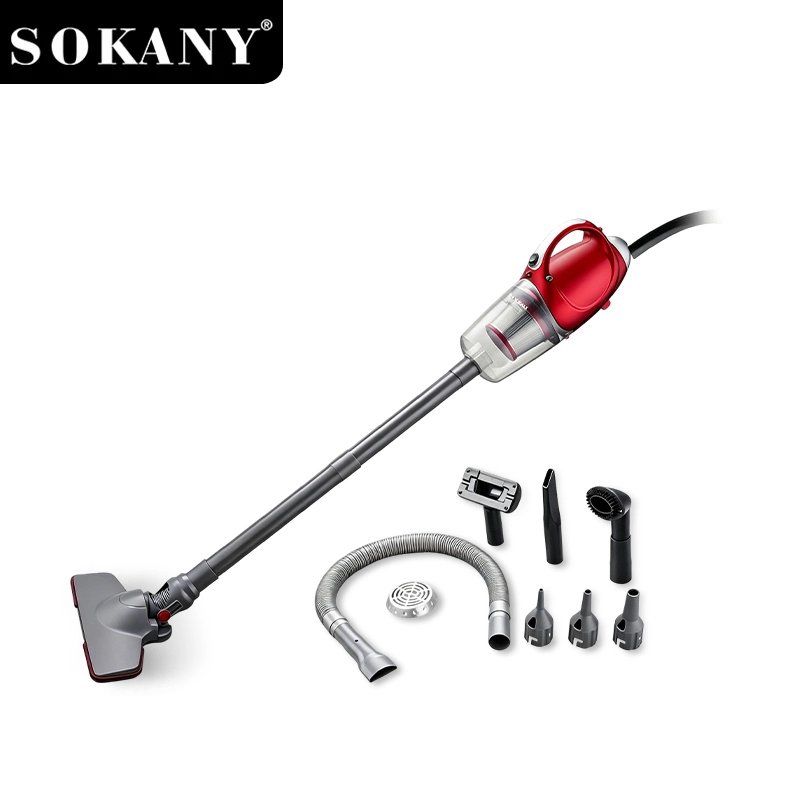
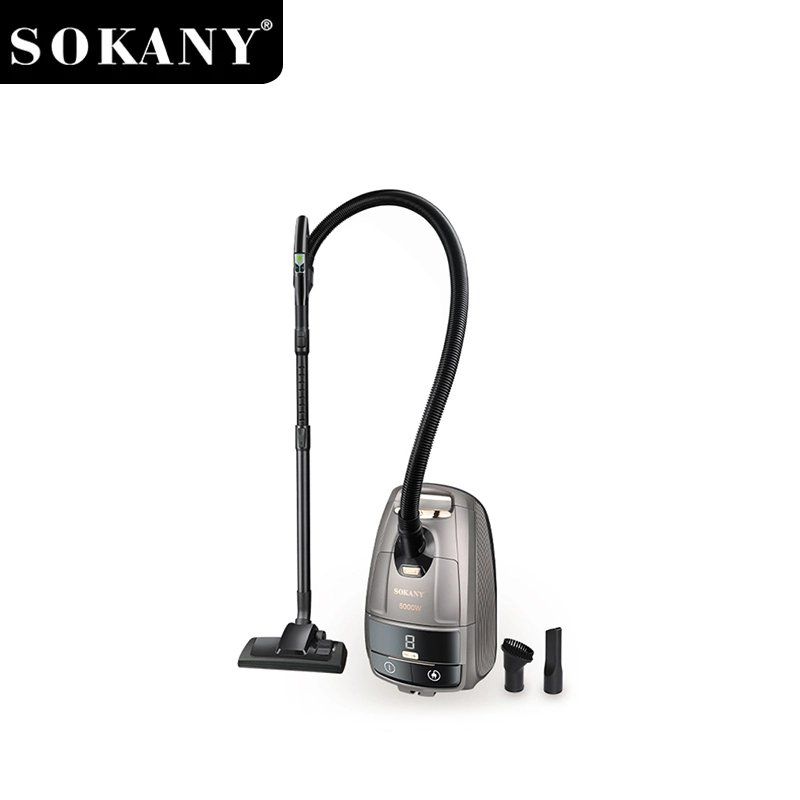
Any serious evaluation starts with the product range, and SOKANY's catalog is substantial. It covers kitchen appliances, personal care devices, cleaning equipment, fans, irons, space heaters, and assorted household essentials, with a total spanning hundreds of product variations. Within each category, buyers will find options across price points and feature levels, from basic models to smart-enabled appliances with digital controls and programmable settings. For new buyers, the sensible approach is to study the categories relevant to your market rather than attempting to absorb the entire catalog at once. Understanding where the range is strongest helps shape a focused, coherent first order.
Assessing Quality Before You Commit
Quality assessment is the part of supplier evaluation that buyers sometimes rush, and it is usually the part that matters most. SOKANY applies testing and inspection processes throughout manufacturing, covering safety, durability, and performance, but buyers should still verify rather than assume. Requesting product samples, asking detailed questions about defect rates and quality procedures, and placing a moderate first order are all reasonable steps. The company's established export record provides context, but every buyer's standards differ, and a supplier relationship works best when expectations are confirmed early. A cautious first order followed by a larger commitment once quality is proven is simply sound procurement practice.
Understanding Pricing and Total Landed Cost
Wholesale pricing deserves scrutiny beyond the headline unit cost. SOKANY's rates are structured to leave room for retail margins, but the full picture includes freight, duties, and expected return rates. A slightly cheaper product with higher defect rates can end up costing more than a slightly pricier alternative that performs reliably. Buyers should calculate total landed cost for each product line they are considering, then compare against realistic selling prices in their market. SOKANY's value positioning generally holds up under this analysis, but the exercise is worth doing regardless of which supplier you choose, because it forces clarity about where profit actually comes from.
Exploring Customization and Private Label Options
Buyers with ambitions beyond reselling generic products should explore SOKANY's OEM and ODM services early in the relationship. The company supports customization of branding, packaging, and design details across its catalog, allowing retailers to build private label lines that stand apart from competitors. The process is collaborative rather than rigid, which makes it workable even for buyers without extensive product development experience. Customization works best when planned alongside the initial order rather than bolted on later, since packaging and branding decisions affect production timelines. For buyers serious about differentiation, this capability is one of the more valuable aspects of working with the brand.
Planning Logistics and Ordering Schedules
Cross-border sourcing succeeds or fails on logistics, and SOKANY's export experience supports buyers through the procedural side of international trade. Documentation, certification requirements, and shipping arrangements are handled with the familiarity that comes from repeated practice across multiple regions. Buyers should discuss lead times and consolidation options early, particularly if they intend to order across several categories. Combined shipments can reduce freight costs, and realistic delivery windows make inventory planning considerably easier. Establishing a clear ordering calendar with the supplier, ideally aligned to your selling seasons, prevents the last-minute scrambles that strain both relationships and margins.
What to Expect From the Partnership
Finally, buyers should understand what kind of relationship SOKANY aims to build. The company emphasizes responsive communication, practical problem-solving, and consistent support across repeated orders, positioning itself as a long-term partner rather than a transactional vendor. That orientation shows up in how inquiries are handled and how issues are resolved when they arise. Buyers who communicate clearly about forecasts and feedback tend to get more from the relationship, as with any supplier. For anyone weighing options in the home appliances wholesale market, SOKANY deserves a place on the shortlist, provided the evaluation is done with the same care recommended here.